| Adolf I, Prince of Schaumburg-Lippe | 链接到维基百科 |
Adolf I, Prince of Schaumburg-Lippe (1817–1893): History and Coinage
A Ruler on the Eve of Unification
Prince Adolf Georg, commonly known as Adolphus I, stands as a pivotal figure in the history of northern Germany during the tumultuous years leading up to national unification. Born into royal lineage at Bückeburg, he was the son of Prince Georg Wilhelm and Princess Ida. His reign began following his father's death on November 21, 1860. During these crucial decades, Adolf navigated his principality through a period of immense political transformation. By signing military treaties with Prussia in 1866, he aligned Schaumburg-Lippe with the rising power structure before formally entering the German Empire upon its founding in 1871.
Beyond the shifting borders and allegiances of his lifetime, Adolf's personal life solidified regional dynastic ties. His marriage to Princess Hermine of Waldeck produced a notable son who eventually succeeded him, ensuring continuity for future numismatic representations. This era marks one of Germany's most complex transitions from fragmented sovereign states toward a unified currency system, making the historical artifacts of his reign particularly significant.
Nuimsmatics Presence and Sovereignty
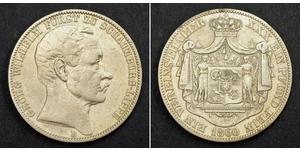
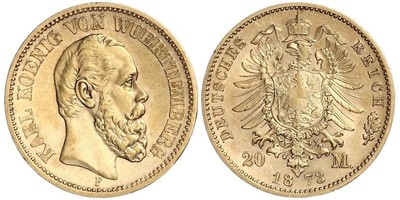
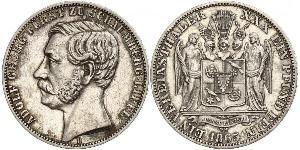
The coinage associated with Adolf I illustrates the unique position of small German principalities during the nineteenth century. Before 1867, Schaumburg-Lippe often issued currency bearing its own sovereign portraits to assert independence. After joining the North German Confederation in 1867 and later the Imperial Union, standardization forced a shift toward federal imagery.
Collectors observe these coins as tangible evidence of political integration. During his life, he held high orders such as the Knight of the Order of the Red Eagle; while specific portrait circulation on local silver was limited by state treaties, medals and commemorative pieces bearing his insignia circulated among elites. The numismatic story here is not just about metal value but about the loss and gain of autonomy captured in mint designs.
Potential for Collectors
Why do collectors seek currency from this period? These coins serve as historical documents frozen by metallurgy, capturing a specific moment when German states chose their future path. The scarcity is often driven by low mintage figures before the Empire fully standardized coinage design.
- Rarity: Early issues predating 1867 remain highly sought after as they depict pre-unification sovereignty.
- Historical Context: Each piece connects to specific military treaties or confederation changes described in biographies of the era.
- Educational Value: Studying these issues helps enthusiasts understand how local identities were visually erased and integrated into national iconography over time.
Museum visitors are encouraged to examine such artifacts not merely as collectibles, but as educational tools. They reveal the personal history of a prince like Adolf while demonstrating the macro-historical movement toward the German Empire, bridging genealogy with financial artistry for all who study them.