| William I of Württemberg | Посилання на Вікіпедію |
William I of Württemberg (1781–1864): History and Coinage
Welcome to this overview of one of Germany’s most transformative monarchs during a period of profound European change.
Friedrich Wilhelm Charles, known historically as William I of Württemberg, ascended the throne in 1816 following significant upheaval across central Europe. His reign spanned from 1816 until his death in 1864, covering nearly fifty years and witnessing the kingdom evolve into a modern constitutional state. The nation faced initial hardships including famine resulting from agricultural failure in 1816. William implemented sweeping domestic reforms that centralized administration and integrated diverse denominational principalities under a common identity.
Beyond internal governance, he navigated complex international politics as Prussia and Austria competed for dominance on the continent. He initially envisioned Württemberg playing an independent role alongside these powers before ultimately accepting liberal constitutional demands during revolutionary times in 1848 to stabilize his rule after March Revolution unrest. This period of transition from a feudal structure to a constitutional monarchy provides rich historical ground for understanding the socio-political fabric of nineteenth-century Germany.
Numerous Numismatic Connections
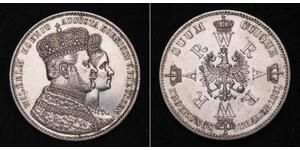
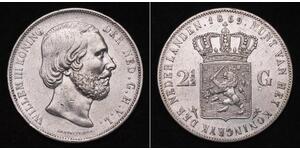
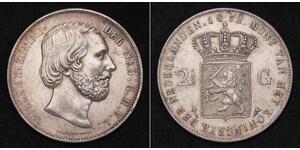
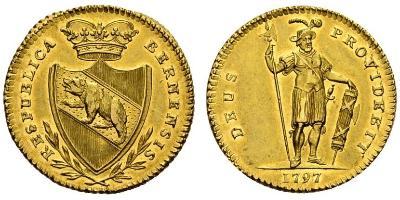
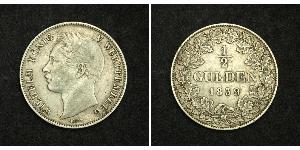
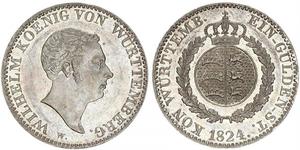
The Kingdom of Württemberg actively minted currency throughout William’s lifetime, utilizing silver Thalers and Gulden. Coinage was issued primarily to maintain domestic economic stability during his rule following French occupation and Napoleonic disruptions. Unlike the coin portraits found in ancient collections where deities or heroes were common subjects, these pieces bore the bust of a living monarch representing sovereign authority.
The imagery shifted over time. Early issues often depicted William as a military leader reflecting volunteer service history acquired during early wars, while later coins displayed a more mature statesman associated with his legislative reforms and constitutional approval in 1819. The minting process occurred in Stuttgart and other regional mints authorized by the crown.
The Collector’s Appeal
Coin collectors seek these pieces not merely for metal content, but as tangible artifacts of state-building and reform. William represents a unique era where German states were standardizing economies while resisting total unification until later periods. These coins serve educational purposes by illustrating the progression from feudal monarchy to constitutional rule.
- Narrative Value:
Educators and collectors appreciate how these items reflect the consolidation of a regional power into a coherent state structure during an age of revolution. The coins link numismatic study directly with broader historical narratives regarding administrative centralization.
- Rarity: