


| Vajiravudh (1880 – 1925) | Link to Wikipedia |
Vajiravudh 1881–1925: History and Coinage
Kings of Siam during this transformative period stood at the forefront of a profound geopolitical shift, evolving from traditional kingdoms into modern constitutional states. Vajiravudh, widely known by his regnal name Rama VI, reigned as the sixth monarch of the Chakri dynasty between 1910 and 1925. His rule marked a definitive turning point in Southeast Asian history, characterized by aggressive Westernization efforts while maintaining traditional royal prerogatives.
As an architect of Siamese nationalism and founder of what is now known as Thammasat University (alongside expanding institutions like Chulalongkorn), his legacy defines the cultural zenith before World War II. Unlike predecessors who maintained isolationist policies, Rama VI actively sought to integrate Siam into global trade networks while safeguarding its sovereignty against colonial neighbors. His personal interests in history and archaeology were mirrored in statecraft, creating a monarch whose image bridged ancient royal tradition with contemporary democratic ideals.
The Numismatic Portrait
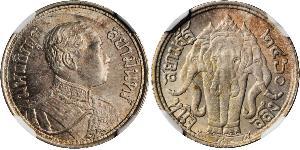
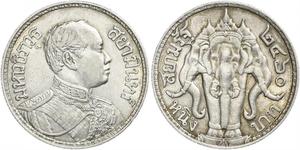
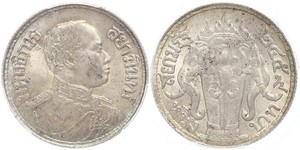
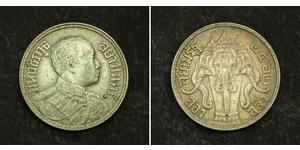
Vajiravudh appears prominently on currency issued by the Kingdom of Siam following his ascension. During his lifetime and shortly after his death in 1925, silver ticals were minted bearing his likeness alongside state emblems such as the Garuda.
The decision to place his portrait on circulating coinage served specific nationalistic purposes. It solidified the legitimacy of his constitutional reforms and signaled Siam's status as an independent modern nation-state capable of international trade without colonization. The artistic style bridged European engraving techniques with Thai iconography, reflecting a society adopting Western technology while preserving its monarchical heart. These coins circulated during a pivotal era when Japan was rising as a global power, necessitating careful diplomatic signaling through royal imagery.
The Appeal to Collectors
Coin enthusiasts are drawn to this period for several specific reasons beyond simple scarcity in circulation today. The historical context is undeniable; every coin from Rama VI carries the imprint of a nation teetering between absolute monarchy and democratic governance, mirroring contemporaneous reforms elsewhere in Asia.
- Historical Narrative: Collectors value these pieces as tangible links to Siam's struggle for independence during WWI when the kingdom faced threats from European empires like Britain and France.
- Artistic Evolution: The shift in coin design marked a departure from purely traditional motifs toward modern portraiture, appealing to collectors interested in numismatic art history.
By studying these coins alongside the monarch's documented achievements in military and educational reform, owners gain insight into how currency functioned as a tool of soft power. The rarity found today often relates to wartime conditions that disrupted minting operations or later melting during inflationary periods. For those focusing on modern Southeast Asian numismatics, Vajiravudh remains the definitive figure linking royal history with economic sovereignty.


