| Peter Friedrich Wilhelm, Duke of Oldenburg | Посилання на Вікіпедію |
Peter Friedrich Wilhelm, Duke of Oldenburg (1754 – 1823): History and Coinage
A Brief Overview
Peter Friedrich Wilhelm served as the ruling Duke of Oldenburg from his ascension until his death in 1823. His reign occurred during a transformative era for Europe, spanning the Napoleonic Wars and the subsequent Congress of Vienna. While he was officially a sovereign ruler, significant personal challenges shaped his tenure within this prominent German principality.
A Unique Historical Context
Born at Eutin Castle to Frederick Augustus I, Wilhelm succeeded his father in 1785 after only months on the throne. A defining aspect of his historical significance is not merely that he held title, but how circumstances dictated governance during a turbulent political landscape.
- The Regency Arrangement: Throughout nearly four decades as Duke, Peter suffered from severe mental illness which rendered him incapable of effective statecraft. Consequently, authority effectively passed to his cousin, the Prince-Bishop of Lübeck, who acted as regent.
- Courtly Environment: Contemporary accounts from visiting royalty describe a court environment marked by neglect for its nominal leader. Despite this internal dysfunction, Wilhelm remained part of high European society and maintained ties through family connections to Sweden.
This unique position as a "figurehead" monarch occurred within the broader context of shifting sovereignty in Northern Germany. His status evolved legally; although his title nominally became Grand Duke during diplomatic conferences after 1815, he never adopted this higher style personally until legal changes eventually affected his successor.
The Numismatic Connection
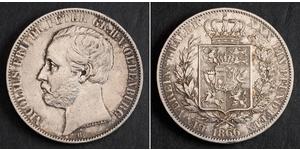
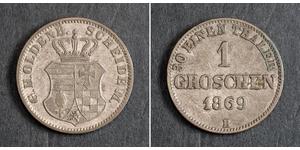
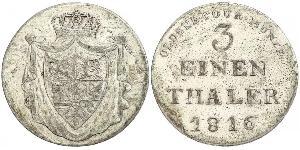
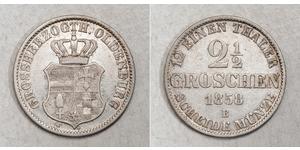
In numismatics, the appearance of a ruler on currency is tied to state sovereignty. Coins minted in Oldenburg and other German states typically bore the names or portraits of reigning monarchs to validate fiscal authority across international borders before unification.
- Sovereign Imagery: Even during regencies, coins issued by Oldenburg often referenced the head of state. However, portrait choices varied based on political necessity rather than personal preference due to his condition.
- Era Specifics: Collectors find interest in these pieces as they represent specific minting standards and artistic styles prevalent among smaller German principalities leading up to the Prussian-German wars of the early 1800s.
Appeal for Historical Coinage Enthusiasts
The numismatic value associated with this figure lies primarily in its connection to specialized collections focused on German states, Scandinavia (given his sister's royal lineage), and pre-unification principalities. These coins offer tangible proof of the political fragmentation that characterized continental Europe during these years.
Rarity is often a factor for collectors seeking pieces from smaller entities where mint runs were shorter than major empires. Furthermore, studying these artifacts provides insight into how monetary systems maintained integrity despite internal political instability and regency transitions in local courts. Exploring this specific era of Oldenburg currency allows historians to understand the intersection of private illness with public financial administration during a time when coinage was often produced manually or by small presses.