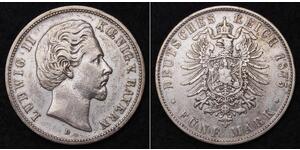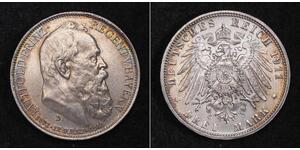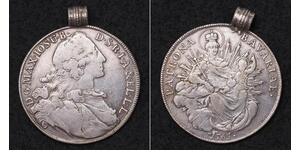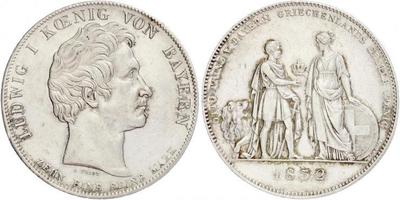

| Maximilian III Joseph, Elector of Bavaria (1727 – 1777) | Посилання на Вікіпедію |
Maximilian III Joseph (1727–1777): History and Coinage
Welcome to a historical examination of Maximilian III Joseph, Elector of Bavaria. Born in Munich on March 28, 1727, he served as Prince-elector from 1745 until his death in December 1777. He ruled during an era where Enlightenment ideas began challenging traditional absolutism within the Holy Roman Empire. As the last ruler of the junior Bavarian branch of the House of Wittelsbach before shifting to a senior Palatine line, he oversaw significant domestic reforms including establishing the Academy of Sciences and ending Jesuit censorship on press material.
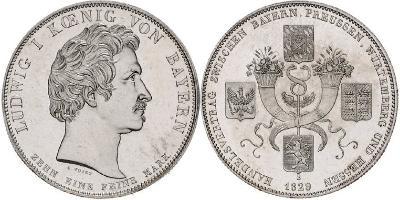
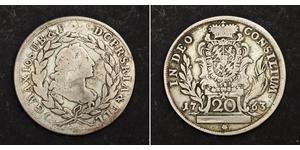
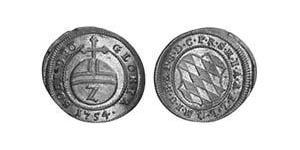
The significance of Maximilian III Joseph extends beyond political titles into tangible representations found in numismatics. Coins featuring his portrait were essential tools for legitimizing Bavarian sovereignty within a fragmented European landscape involving Prussia, Austria, and France during the mid-18th century currency reforms.
Sovereign Authority on Currency
During Maximilian's reign, electors required public endorsement to facilitate trade across German principalities. Coins issued under his name circulated primarily from Bavaria but were utilized in wider commercial networks throughout the region and abroad for tax payments or state loans.
Context of Issuance
Coinage typically reflected peace years when possible, though war expenditures influenced design choices by later periods. While no specific dates are listed here beyond his life span, mints operated under imperial authorization that authorized the portrait to remain prominent until succession disputes disrupted regular production.
Rarity and Historical Context
Collectors value these historical artifacts for their connection to a transitional period where Bavarian independence was threatened by inheritance laws. The obverse designs often feature portraits emphasizing dignity over militarism, distinguishing them from earlier baroque styles prevalent in neighboring courts.
- Educational Value:
- Pieces illustrate the shift toward practical governance during famine relief efforts funded by selling jewels rather than expanding military campaigns. This provides tangible context for economic hardship without modern political bias, highlighting how state finances balanced artistic patronage and survival.
- They serve as essential references for understanding pre-Napoleonic Germanic monetary systems when currency stability was a primary concern before larger empires reorganized regional states after 1806.
Owning these tokens connects one to an era where art and commerce intersected through patronage like that provided at Nymphenburg Palace. Understanding Maximilian III Joseph's rule helps enthusiasts appreciate the delicate balance between artistic expression and state financial policy during a time when Bavaria was vulnerable yet culturally rich.