
| Maria Eleonora of Brandenburg (1599 – 1655) | Посилання на Вікіпедію |
Maria Eleonora of Brandenburg (1599–1655): History and Coinage
A Royal Legacy from Königsberg to Stockholm
Born in Königsberg on November 11, 1599, Maria Eleonora was a figure of considerable political weight before her marriage. As the daughter of John Sigismund, Elector of Brandenburg, she arrived at court with extensive education and cultural sophistication despite living under turbulent family conditions. Her ascent to Queen of Sweden marked a significant diplomatic shift between Protestant nations during the early 1620s.
Maria Eleonora secured her position as monarch through strategic navigation of complex international relationships. While her mother-in-law facilitated their union, she initially faced political resistance from the Polish Crown and tensions with Brandenburg. Her tenure coincided with Sweden’s rise under Gustav II Adolphus during the Thirty Years' War. She managed courtly life in Stockholm while maintaining a German heritage that influenced Swedish culture and architecture. Although personal conflicts strained her marriage after 1632, she remained Queen until his death, eventually influencing the succession of her daughter Christina.
The Relationship to Coinage
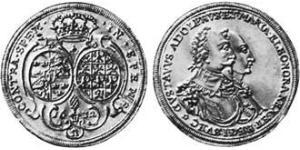
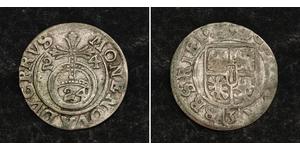
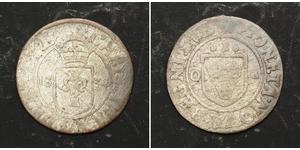
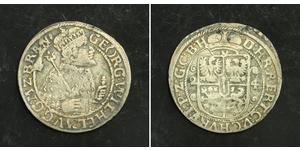
Maria Eleonora appears primarily on coinage associated with two distinct political entities: Brandenburg and Sweden. During her childhood and early adulthood in Prussia, currency issues were rare but sometimes featured princely arms linked to the House of Hohenzollern-Brandenburg. Following her marriage, she was depicted less frequently than male monarchs due to seventeenth-century Swedish numismatic conventions that prioritized royal heraldry over female portraits.
Collectors may encounter specimens bearing her name or family symbols on medals and commemorative pieces minted for the coronation of Gustav II Adolphus. While standard circulation coins under her reign usually carried only state legends, these special issues offer insight into how a German princess integrated into Swedish sovereignty was recognized by contemporary mints.
The Value for Collectors
Maria Eleonora's numismatic pieces are sought after primarily due to scarcity. The representation of women on sovereign coinage was uncommon in seventeenth-century Northern Europe, making any authenticated portrait or heraldic variation involving her extremely rare. For the serious enthusiast, these items represent a tangible link to female agency within state power before such imagery became commonplace.
The historical context surrounding her acquisition by King Gustavus adds unique appeal for collectors interested in wartime numismatics and diplomatic history. Owning coins that connect directly to Sweden's golden age of military expansion under this dynasty allows enthusiasts to possess a fragment of the era when national identity was forged amidst foreign conflict. These items remain vital educational tools regarding early state formation.
Museum Curator's Note: We encourage visitors and collectors alike to research regional mint marks associated with her tenure for added historical depth in personal collections.


