

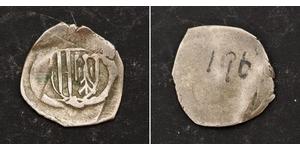
| Leopold V, Archduke of Austria (1586 – 1632) | Посилання на Вікіпедію |
Leopold V, Archduke of Austria (1586–1632): History and Coinage
In the complex political tapestry of early seventeenth-century Europe, Leopold V emerged as a pivotal figure within the Habsburg dynasty. Born on October 9, 1586, in Graz, his lineage was steeped in power; he was the son of Archduke Charles II and younger brother to Emperor Ferdinand II. Unlike many predecessors who remained strictly clerical throughout their lives, Leopold V made a deliberate choice that would resonate through dynastic records for centuries.
A Ruler Transformed by Faith and Sword
His early years were defined by ecclesiastical service; invested at the tender age of twelve, he served as Prince-Bishop. However, ambition and necessity shifted his path during a time when territorial integrity faced existential threats from northern European powers. In 1625, following significant political shifts within Inner Austria, he resigned his bishopric to marry Claudia de' Medici, thereby uniting the Habsburg line with Italian nobility.
This transition in late life was critical not only for family strategy but for governance. From 1626 until his death on September 13, 1632, he ruled Further Austria and Tyrol as Archduke during a period of intense warfare against Sweden within the Thirty Years' War.
The Numismatic Authority
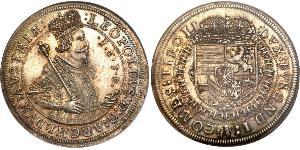
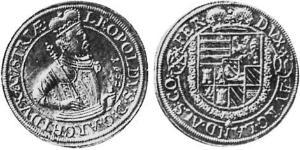
Coinage bearing this individual's identity serves as material evidence of his sovereign transition. While Vienna centralized large-scale production under imperial titles, regional rulers like Leopold retained rights to strike currency for local circulation and administration. The coins issued during or shortly after his tenure reflect the specific economic needs of Tyrol.
- Sovereign Authority: His image appears on denominations struck within his domains post-1626, signifying a break from clerical iconography to active martial rule. Collectors often find these pieces bearing Habsburg arms alongside the archducal crown.
- Tyrol Defense Context: During 1632, as he died defending his territory against Swedish incursions near Schwaz and Innsbruck, local mint production was occasionally halted or altered. Coins from this era document a specific struggle to maintain Austrian control over Tyrolean resources.
The Value for the Modern Collector
Holders of these specimens are drawn not merely by scarcity but by historical narrative preservation. Leopold V represents a unique intersection where spiritual leadership evolved into secular command within one generation, mirroring broader European transitions in statecraft.
- Rarity and Context: Issues associated with his reign offer insight into how regional archdukes managed local economies under imperial pressure. This makes them essential for understanding the decentralization of Habsburg monetary policy before central standardization became dominant later in the century.
- Cultural Connection: These pieces connect directly to monuments he commissioned, such as the Jesuit college in Molsheim, helping collectors visualize a man whose legacy was defined by both architectural patronage and military defense. Each artifact serves as a small window into how Tyrol resisted foreign forces while maintaining allegiance to Vienna.
By studying these numismatic artifacts alongside broader biographical accounts, enthusiasts can appreciate the tangible cost of empire building in early modern Europe through his eyes.


