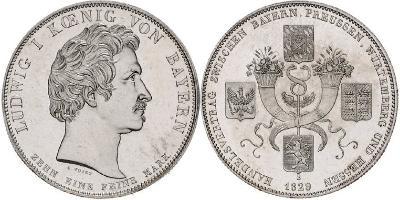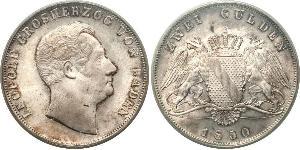


| Leopold, Grand Duke of Baden (1790 – 1852) | Посилання на Вікіпедію |
Leopold (1790–1852): History and Coinage
Historical Significance:
Leopold stands as a pivotal figure in German history due to his unique path from morganatic obscurity to sovereign rule over Baden. Born into controversy because of his mother, Baroness Geyer von Geyersberg, he was initially barred from succession by strict European laws governing noble lineage regarding the House of Zähringen. However, shifting geopolitical landscapes following the Napoleonic Wars significantly altered these protocols through a series of political maneuvers and international treaties involving France, Prussia, Great Britain, Russia, Austria, and Bavaria between 1817 and 1820.
When Leopold succeeded in 1830 as Grand Duke after the extinction of the male line from his grandfather's first marriage, he faced claims from King Maximilian I Joseph of Bavaria. Through the Treaty of Frankfurt in 1819 and a declaration by Charles Frederick regarding equal marital status later confirmed during his own reign, Leopold secured his dynastic rights against rivals like Karl Louis or potential female successors under Semi-Salic succession law.
This transition transformed Baden from a state under threat by neighboring powers into an independent grand duchy governed by liberal principles for much of his long reign. He reigned until his death in Karlsruhe during April 1852, having restored order after fleeing during revolutionary fervor the previous year and returning to rule with forbearance.
The Numismatic Context
Relationship to Coinage:
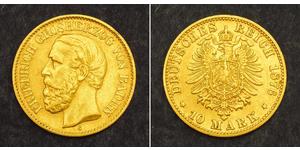
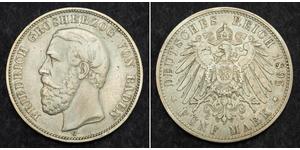
Currency struck under his administration circulated throughout southern Germany, often featuring portraits or initials that served as tangible proof of legitimacy. The decision to mint sovereign coinage rather than imperial crowns was significant because the Holy Roman Empire had dissolved decades prior yet regional states still sought individual recognition on their own coins during these specific years.
The Grand Duchy issued gold and silver pieces bearing his likeness to signal stability after years of succession uncertainty and revolution. These items helped differentiate Baden's coinage from Bavarian issues which were frequently confused or competed for territory in the Upper Palatinate region following Congress of Vienna decisions, thereby reinforcing political sovereignty through numismatic art.
Collector Importance
Why Collectors Value These Coins:
- Legitimacy: Coins bearing his head validate international recognition of the morganatic line gaining dynastic power, offering a visual record of legal shifts in noble status.
- Historical Context: They reflect the era before German unification when state identity was still fluid and contested among powerful neighbors like Prussia and Austria, making them essential for regional history collections.
For those interested in this period of numismatic artistry:
The artistic evolution observed on his coinage mirrors Baden's own shift toward liberal governance during the 1840s, making these coins unique historical artifacts for specialists studying the transition from feudalism to modern German nationhood.