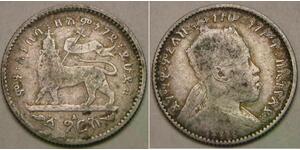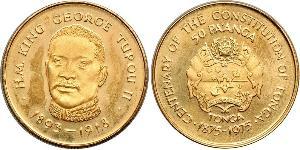
| George Tupou II (1874 - 1918) | Посилання на Вікіпедію |
George Tupou II (1874–1918): History and Coinage
The King and His Reign
Welcome to an exploration of Tonga's pivotal 20th-century monarch, George Tupou II. Born in the late Victorian era as Siaosi, he ascended to the throne at age eighteen following his great-grandfather Tāufaʻāhau Tupou I's death in 1893. His reign stands as a critical juncture for Pacific history, marking Tonga's transition from an absolute monarchy into British protectorate status by 1900.
Tupas was not merely a figurehead; he initiated significant modernization efforts that defined the kingdom's infrastructure and identity. As his personal biographer notes with admiration regarding public health improvements, Tupou II famously championed the construction of cement water tanks (*vaisima*) throughout Tonga to provide clean drinking water. However, this progressive spirit was often complicated by political instability; corruption within his administration sparked suspicion among local chiefs and parliamentarians in 1900. The resulting diplomatic strain eventually necessitated British protection.
The Numismatic Context
To understand why you may encounter pieces bearing the legacy of George Tupou II, we must look at the shifting currency landscape of Oceania during his tenure. While many Pacific territories transitioned to foreign colonial currencies (often Australian or New Zealand dollars with local overprints) in 1900 under British protection, the Tongan monarchy retained its sovereign dignity for years thereafter.
Coinage from this period serves as a historical record of that complex political shift. Collectors often seek items minted during his reign to observe how currency design changed between independent issuance and colonial administration periods. Furthermore, George Tupou II was instrumental in establishing the Royal Orders of Tonga, such as the Order of Pouono, which he personally became Grand Master of from 1893 onwards. While strictly medals rather than circulating coinage, these awards are highly prized by collectors specializing in Pacific regalia and orders of merit.
The Collector's Connection
Genuine pieces related to George Tupou II provide profound educational value regarding the history of Tonga's political identity. Collectors who acquire items associated with this monarch, or later commemorative issues honoring his reign, do so for several distinct reasons:
- Rarity and Historical Significance: The transition period following his death in 1918 is often scarce due to the complexities of early colonial minting protocols.
- Cultural Connection: Owning a piece that honors Tupou II connects you directly to the lineage leading into Queen Sālote's modern reign, ensuring continuity with today's constitutional monarchy.
- The Modernization Legacy: Collectors of this era value items that reflect his specific contributions, such as public health improvements and artistic pursuits in songwriting alongside Hawaiian royalty Kalakaua.
By examining the currency and honors established during George Tupou II's 25-year reign, collectors not only gather rare historical objects but also support a living memory of one of Tonga's most transformative leaders. His life remains an essential lesson in how colonial influences intersected with indigenous sovereignty.