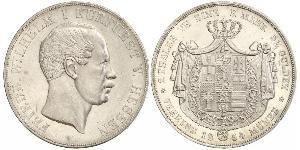
| Frederick William, Elector of Hesse (1802 - 1875) | Посилання на Вікіпедію |
Frederick William I, Elector of Hesse (20 August 1802 – 6 January 1875): History and Coinage
Frederick William stands as a pivotal figure in the history of German statehood during the turbulent mid-nineteenth century. As the last Prince-elector of Hesse-Kassel, he presided over his territory until its dissolution by Prussia following the Austro-Prussian War. His tenure marked one of the final instances where an independent sovereign authority issued local currency within the Holy Roman German tradition before unification under Berlin's hegemony.
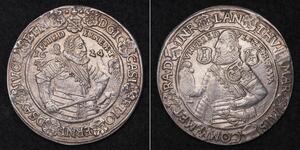
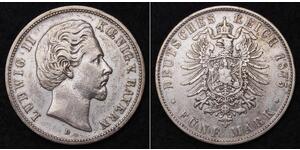
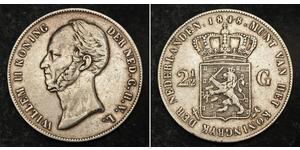
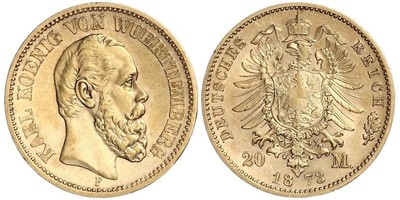
The narrative connecting Frederick William to coinage is defined strictly by political sovereignty and territorial integrity. During his official reign as Elector, beginning in 1847, Hesse-Kassel maintained its own distinct monetary system separate from the growing Prussian standards. Local authorities struck coins depicting him at Kassel's mint which circulated among merchants and citizens before the June 1866 annexation. These issues typically ceased production immediately after his territory was occupied by forces from Berlin following his refusal to negotiate terms during hostilities. Once Hesse-Kassel lost its autonomy, any new coinage bore imperial portraits rather than his own likeness.
This shift makes pre-annexation specimens particularly important for numismatic study and historical education. Unlike standard German Imperial issues that emerged after 1870, these earlier pieces represent a distinct regional identity preserved in metal before political consolidation erased it. Collectors often value coins featuring the Elector not merely for their intrinsic content but because they physically embody an independent state that briefly maintained its legal independence against greater powers.
The artistic quality of engravings from this era reflects mid-nineteenth-century European portraiture standards common across Central Europe, yet these specific examples are rare due to the scarcity of issues produced between 1847 and 1866. While other German states minted vast quantities for trade wars or commercial use, Hesse-Kassel's regional economy was smaller in scale relative to its imperial neighbors.
Beyond monetary metrics, these coins offer educational insights into the transition of a unified German Empire from feudal territories. For enthusiasts specializing in pre-unification state numismatics or local Prussian expansion studies, discovering fragments of this era encourages exploration of how small rulers navigated rising nationalism and military pressure to maintain their titles. Each coin serves as tangible evidence that sovereignty was lost not only by force but also through the quiet disappearance of regional mints from history.