| Ernest II, Duke of Saxe-Coburg and Gotha | Посилання на Вікіпедію |
Ernest II, Duke of Saxe-Coburg and Gotha (1818-1893): History and Coinage
The Regent's Legacy
Ruling the Duchy of Saxe-Coburg-Gotha from 1844 until his death in 1893, Ernest II was a pivotal figure within German history. As an elder sibling to Prince Albert, the future spouse of Queen Victoria, he occupied a unique position at the intersection of British and Central European royal lineages. During his long tenure as Duke, he navigated complex political landscapes that eventually led to the unification of Germany under Prussian leadership.
Ernest was known for balancing conservative alliances with an early interest in liberal politics. His reign witnessed significant military events during both Schleswig-Holstein and Franco-Prussian conflicts. While he maintained personal ties abroad, his primary authority remained rooted within Thuringia. This period of European consolidation is essential to understanding the political economy that issued coinage bearing his likeness.
Relationship to Coinage
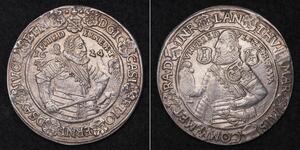
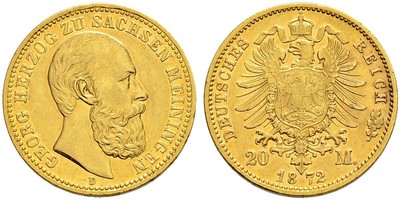
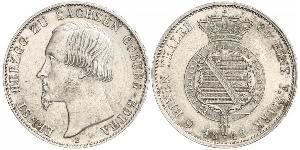
Ducal coins minted during Ernest II's reign were produced in the ducal mints located primarily at Coburg and Gotha. These pieces circulated as legal tender within the duchy but also served diplomatic purposes, projecting stability across the German Confederation before full unification.
- Sovereign Authority: The portrait on coins signified Ernest II's legitimate rule over his territories. Unlike imperial crowns, these issues were distinctively regional yet connected to the broader royal family networks of Europe.
The decision to use the Duke's image was a standard practice for sovereigns wishing to assert authority and control currency supply. Furthermore, numismatists note that some posthumous commemoratives appeared after his death in 1893, linking him eternally with his heir-presumptive, Prince Alfred.
Why Collectors Value These Coins
Coin enthusiasts seek out pieces from Ernest II's reign for several compelling reasons. Because Saxe-Coburg-Gotha was a smaller state compared to Austria or France, mintages were often limited compared to major European powers. This inherent scarcity increases the desirability of well-preserved examples.
- Rarity and Preservation: As states like Coburg produced fewer coins than empires, survival rates for high-grade specimens are lower among collectors today.
The historical narrative surrounding these pieces offers a window into 19th-century diplomatic history. For those interested in thematic collecting regarding European royalty or the unification of Germany, Ernest II connects British Victorian heritage with continental numismatics.
Closing Thoughts on Collecting History
Above all, coins bearing his name serve as tangible artifacts of a dynasty that shaped modern Europe. Whether examining fine details of mint marks dating from the 1850s to the 1890s, collectors are engaging with physical history rather than mere metal.