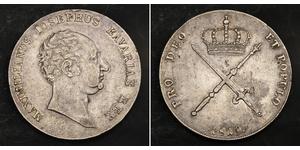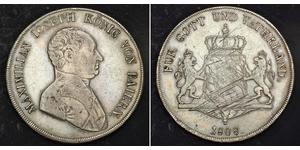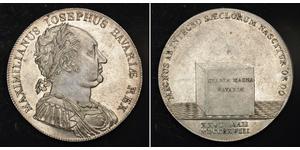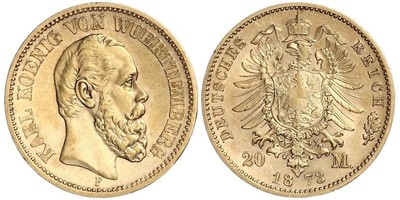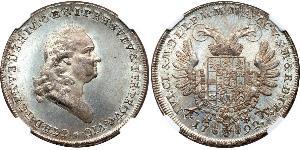
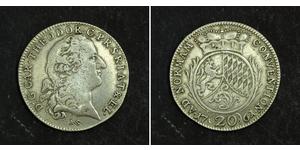
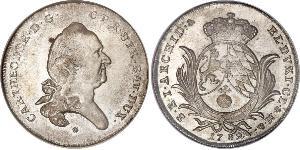
| Charles Theodore, Elector of Bavaria (1724 - 1799) | Посилання на Вікіпедію |
Charles Theodor, Elector of Bavaria 1724–1799: History and Coinage
Charles Theodore was a prominent German nobleman who significantly shaped the cultural landscape of southern Germany during the late eighteenth century. Unlike many monarchs of his era focused solely on military expansion or dynastic consolidation, he is remembered for prioritizing arts, science, and philosophy over warfare. Born in 1724 near Brussels, he ruled as Count Palatine before ascending to Elector of Bavaria upon inheriting the territory from a cousin in 1777. His tenure was marked by diplomatic maneuvering that eventually led him to seek a royal crown for himself, though attempts failed. He is also credited with dismantling city fortifications and establishing Munich's English Garden, transforming the capital into an urban center of culture rather than just military strength.
Relationship to Coinage
The currency issued during Charles Theodore’s reign reflects his unique position as a transitional ruler between feudal principalities within the Holy Roman Empire. Initially governing smaller territories like Sulzbach, coins bore specific regional marks before he moved administration entirely to Munich after 1778. As Elector of Bavaria and Palatinate, state authorities minted silver thalers and copper pieces displaying his portrait along with electoral titles that indicated loyalty to the Holy Roman Emperor yet maintained local sovereignty.
Coinage was a vital tool for asserting authority during turbulent succession disputes like the War of the Bavarian Succession. When Charles Theodore exchanged parts of southern Germany for Austrian Netherlands territory in 1780, it altered which regions produced his currency and how borders were depicted on metal surfaces. These pieces circulated widely across German lands as trade networks relied heavily on silver coinage standardized by regional power structures.
Why Collectors Value These Coins
Nature enthusiasts and collectors seek Charles Theodore coins not merely for rarity but because they represent a specific era of Enlightenment-era governance. While he faced criticism from contemporaries as apathetic, his patronage ensured that coin designs retained artistic quality despite financial pressures caused by war debts.
- Historical Context: Specimens provide tangible evidence of Bavarian identity formation before unification occurred centuries later.
- Cultural Markers: Coins from Munich carry legends referencing his court reforms, connecting the bearer to the intellectual movements he supported.
- Rarity and Condition: Pieces minted during border exchanges remain popular for those studying how geopolitical shifts altered monetary systems without total regime change.
Tangible artifacts like these help history students understand that money was not just a medium of exchange, but also a symbol of state power. Whether found in private albums or public collections, Charles Theodore’s coins offer an accessible entry point into the complex political geography of pre-Revolutionary Europe.