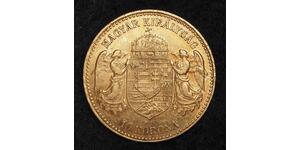
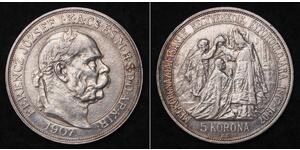
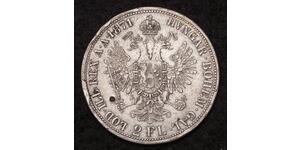
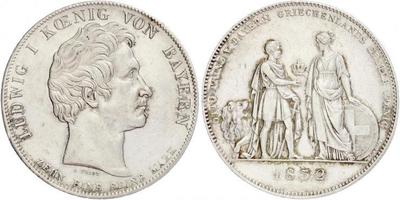
| Charles, Grand Duke of Baden (1786 – 1818) | Посилання на Вікіпедію |
Karl, Grand Duke of Baden (1786–1818): History and Coinage
In the annals of late eighteenth-century German history, few figures embody the transition from feudal fragmentation to constitutional statehood as vividly as Karl, Grand Duke of Baden. Born in Karlsruhe in 1786, his early life was marked by tragedy; witnessing his father fall from a coach at age fourteen forced him into regency before he assumed sole rule following the death of his grandfather Charles Frederick in 1811.
The Transition to Grand Duchy and Numismatic Identity
Karl ascended during one of Europe's most turbulent periods. Following the dissolution of the Holy Roman Empire, Baden became a grand duchy under Napoleon before being reorganized at the Congress of Vienna in 1815. This political metamorphosis demanded new symbols of legitimacy and currency reform.
Coinage from this era reflects the complex geopolitical landscape Karl navigated. His marriage to Stéphanie de Beauharnais, an adopted daughter of Napoleon Bonaparte, cemented diplomatic ties that heavily influenced his court in Paris before 1806. This French alignment is often visible in early mint practices and iconography found on Baden currency produced during the Napoleonic era.
The introduction of a liberal constitution toward the end of his life marked a shift from absolutism to constitutional government. Collectors observe that numismatic pieces issued under Karl represent this pivotal moment where German principalities began issuing standardized legal tender reflecting nationalistic sentiments rather than solely feudal obligations.
Coinage as Historical Evidence
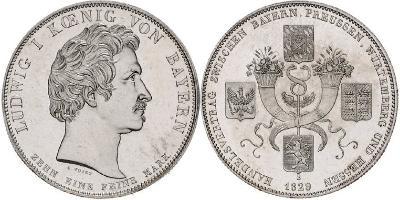
The portrait of Grand Duke Karl on coins serves a specific purpose: it validated his sovereignty against external claims from Austria and Bavaria. These disputes, often settled by treaties like the Treaty of Frankfurt in 1819, necessitated stable internal currency to prevent economic disruption.
- Sovereignty: Coins minted during his tenure assert Baden's independent status within a fragmented Europe.
- Rarity and Context: Pieces issued immediately following the Napoleonic Wars often carry historical weight regarding territorial adjustments recognized by international congresses.
The artistic quality of these issues varies, but their value lies in what they represent. They are tangible links to a time when Europe was being redrawn after 1806 and finalized at Vienna in the mid-1815 era.
Possessions for the Enthusiast
Focusing on collections featuring Baden coinage offers enthusiasts a window into personal diplomacy. For those exploring these issues, examining portrait styles helps identify specific reigns before and after constitutional changes under Karl's leadership. While market prices fluctuate significantly based on condition and mint marks, historical significance is timeless.
To own a piece of the 1810-1820 German numismatic timeline connects collectors to an era that bridged ancient feudalism with modern nation-building. The coins depict not just faces, but political realities where small states like Baden played surprisingly outsized roles in European stability.