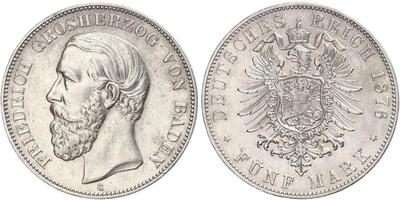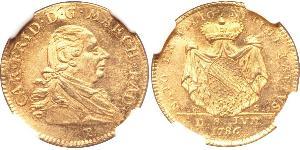
| Charles Frederick, Grand Duke of Baden (1728 – 1811) | Посилання на Вікіпедію |
Charles Frederick (1728–1811): History and Coinage
A Visionary Ruler of the Rhine.
Charles Frederick was a defining figure in southwestern German history. Born at Karlsruhe, he inherited fragmented territories that eventually merged to form Grand Duchy of Baden. His reign lasted from 1738 until his death, covering pivotal moments during the Enlightenment and Napoleonic Wars. He is remembered as an enlightened despot who modernized administration by supporting schools and abolishing serfdom in 1783.
The historical significance lies not only in politics but also in culture; he unified Catholic Baden-Durlach with Protestant lands, navigating religious tension while advancing state infrastructure. Under his patronage, Friedrich Weinbrenner constructed Karlsruhe's modernist urban plan. This dedication to order and development extended beyond architecture into the realm of currency. When an entity transitions from feudal fragmentation toward a more centralized bureaucracy, coinage becomes a vital tool for displaying sovereignty.
The Numismatic Record
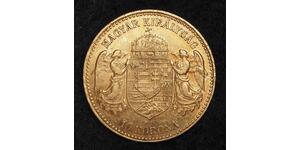
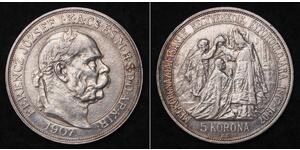
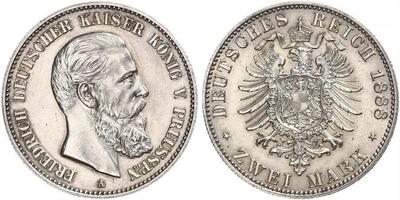
Coinage depicting Charles Frederick emerged during his tenure as Elector in 1803 and expanded significantly after he became Grand Duke of Baden in 1806. These issues were part of a broader reorganization following the dissolution of the Holy Roman Empire's final structures. The coins circulated to stabilize an economy transitioning into modern bureaucratic administration while maintaining distinct regional identity.
Unlike earlier feudal coinage which relied heavily on heraldry alone, Frederick's reign introduced portrait busts reflecting classical artistic standards aligned with his architectural aesthetic. Collectors encounter issues featuring him during the Electorate era and later as Grand Duke of Baden (1806–1818). While early Republic or Confederate issue coins often utilized specific imperial motifs, Baden retained its distinct identity on metal before Prussia dominated central Germany.
Collecting Importance
This collection group holds special interest for those focusing on German regional history and the formation of modern Europe. For a beginner collector, understanding these pieces provides context regarding local autonomy versus imperial pressure prior to 1871 unification.
- Rarity: Many denominations were minted in relatively small quantities compared to later Imperial German marks.
- Historical Context: Possessing these coins connects the holder directly with the transition from Holy Roman Empire states to independent nation-states.
- Coin Design: The artistic quality of portraits reflects a classical aesthetic distinct from Austrian or Prussian designs.
By examining Charles Frederick's currency, enthusiasts gain insight into how sovereignty was asserted through metal before the unification of Germany. Each piece preserves evidence of his administration's stability amidst European upheaval and serves as a tangible link to an era when local rule redefined national borders.