| Charles Felix of Sardinia | Посилання на Вікіпедію |
Charles Felix of Sardinia 1765–1831: History and Coinage
In the annals of European monarchy, Charles Felix holds a unique position as the final sovereign from the senior line before his dynasty shifted to collateral succession. Born in Turin on April 6, 1765, he navigated complex family politics following Napoleon's rise and fall. His rule defined an era where monarchs struggled to maintain absolute authority amidst growing liberal movements.
Historical Biography
Felix spent his formative years at the Castle of Moncalieri with close relatives, developing a personality that was both private and vindictive yet sincere in private moments. During the French Revolutionary wars, he served alongside Austrian forces against French occupation before assuming significant responsibilities following the abdication of his cousin Charles Emmanuel IV.
His tenure as Viceroy of Sardinia from 1798 to 1821 was marked by harsh repression yet notable economic organization. He suppressed revolutionary movements with rigidity, referring to himself in correspondence as a necessary force against chaos. Upon returning to Turin in May 1814 after the fall of Napoleon, he consolidated Savoyard rule until becoming King on March 1821.
Relationship to Coinage
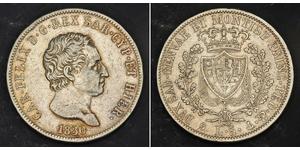
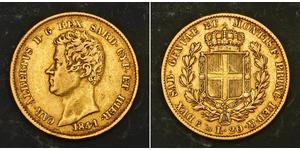
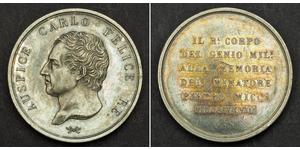
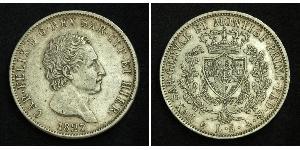
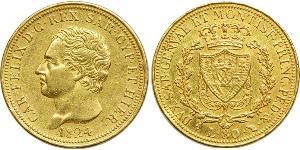
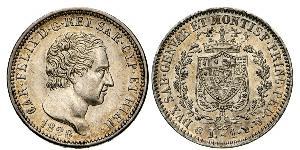
Coinage under Charles Felix was primarily struck during his final years as monarch. Prior issues bore portraits from earlier generations or Viceregal titles reflecting the restored monarchy's legitimacy after Napoleonic chaos. The portrait typically featured laurels and formal dress, symbolizing continuity of House of Savoy authority despite changing dynastic lines.
Why Collectors Value These Coins
- Rarity: High-grade examples are scarce due to limited mintage during his brief full reign as King rather than Viceroy.
- Narrative Depth: Each piece represents a specific phase of Italian history where conservative monarchy faced liberal unification pressures later in the 19th century. Studying wear patterns provides insight into trade routes between Turin and Genoa.
- Institutional Interest: Historians often prefer these coins over purely decorative issues, valuing their depiction of a pivotal transitional period for Savoyard governance structures before Italian unification finalized the political landscape.
The combination of Felix's complex character—harsh ruler yet economic reformer—and the technical evolution of Piedmont-Sardinia coinage makes his portrait appealing to those interested in numismatic history that transcends mere metal content. Exploring these issues offers a tangible connection to early 19th-century sovereignty.