| Albert V, Duke of Bavaria (1528 – 1579) | Посилання на Вікіпедію |
Albert V, Duke of Bavaria (1528–1579): History and Coinage
Servant to the House of Wittelsbach during a transformative era in German history, Albert V stands as one of the most cultured dukes from his time. Ruling Munich between 1550 and 1579, he oversaw Bavaria through the turbulent years following the Peace of Augsburg. While political stability was often maintained by others, Albert defined himself through a fierce dedication to art and religious reform. His tenure saw the construction of Dachau Palace and the founding of an antiquities collection that rivaled Roman standards. For the collector standing before this figure on metal or paper, understanding his life is essential; he did not merely rule, but curated identity.
The Connection to Numismatics
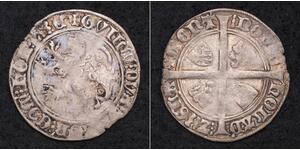
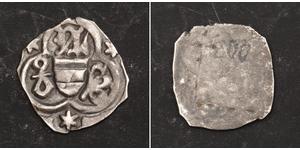
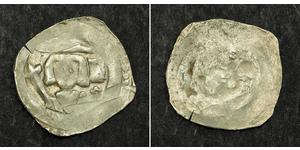
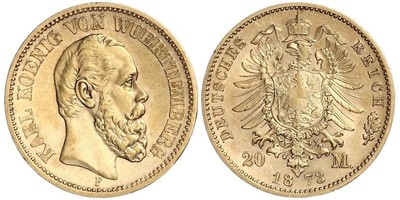
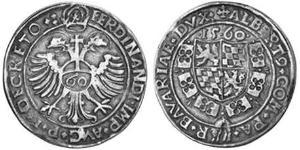
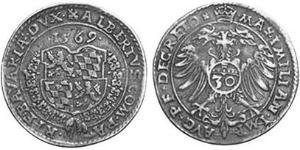
Coins depicting Albert V were issued primarily by the Duchy of Bavaria under Ingolstadt and Munich. These issues generally circulated during the second half of the sixteenth century. Unlike many contemporaries who relied solely on state finance, Albert actively traded with Venice for rare antiquities, often purchasing collections at night to avoid notice. This dedication translated into his coinage: ducal coins from this period reflect high-quality Renaissance design and artistic standards he championed within Munich’s Antiquarium.
The decision to place his portrait on currency was political as well as dynastic. During the Counter-Reformation, Bavaria sought financial independence from Protestant factions while maintaining allegiance to Emperor Maximilian II. The coinage reinforced this Catholic legitimacy across German territories. Furthermore, Albert's personal interest in medals and coins meant that he often acquired specimens for his private treasury, influencing how these objects were valued within the court administration rather than just as circulating money.
Appeal to Modern Collectors
Collectors seeking pieces from this period should consider more than face value. The scarcity of ducal silver coins minted under Albert makes them significant historical artifacts that link personal wealth with state power. These specimens are particularly valuable for their connection to the early Renaissance style found in Munich’s architecture and art.
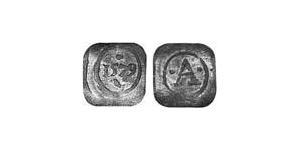
The portraits often display a blend of Germanic nobility and imperial influence, capturing an era where religion was as tangible as metal currency. For those specializing in southern Germany or religious history collections, these coins offer insight into how a ruling house used metallurgy to project authority during the Reformation. Whether examining silver taler or smaller copper pieces from this reign, one encounters a legacy defined by artistic patronage and the struggle for Catholic dominance within Holy Roman Empire lands.