| Kemal Ataturk | Link to Wikipedia |
Mustafa Kemal Atatürk (c. 1881 – 10 November 1938): History and Coinage
The legacy of Mustafa Kemal stands as a cornerstone in the narrative of modern nationhood across Eurasia. A field marshal and statesperson, he orchestrated sweeping changes that secularized society while transforming regional politics following World War One. His leadership defined the transition from imperial tradition to republican identity between 1923 until his death in 1938.
Born under Ottoman rule yet destined for independence, Kemal faced political exile before becoming a pivotal leader of resistance against foreign partitioning plans after 1914. He later abolished the Sultanate and established the Republic to forge a unified identity based on language reform and Western-oriented education policies rather than ethnic or religious division.
The Numismatic Connection
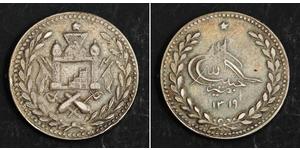
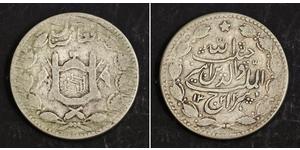
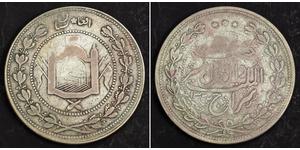
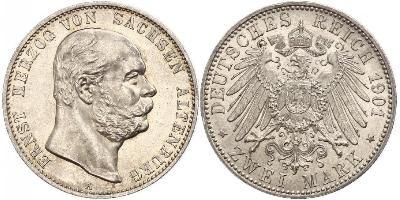
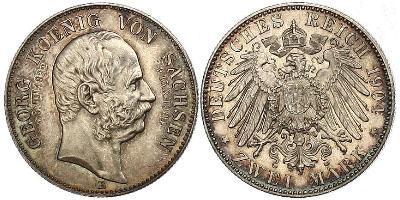
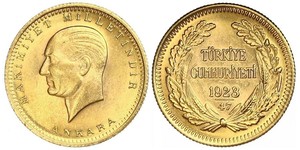
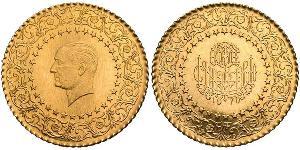
Coinage reflecting this pivotal era captures a nation's rebirth during its first decades of independence. Early denominations issued by the new government utilized traditional symbols such as crescent stars, yet gradually incorporated portraits to solidify state authority and promote national unity among citizens.
- Symbols of Sovereignty: During his lifetime, official imagery on currency shifted from imperial Ottoman motifs toward distinct republican seals. This design evolution aligned with the introduction of a new alphabet and administrative laws aimed at modernizing economic infrastructure alongside legal systems.
- Late Career Issues: Metal pieces featuring the name Atatürk became more frequent after his 1934 recognition, serving to cement loyalty following military victories against neighboring states during post-war reconstruction efforts.
The decision to place leadership imagery on metal currency was strategic, designed to standardize economic identity alongside political ones. Collectors often encounter these pieces in varying grades that serve as tangible proof of diplomatic and military victory after the First World War when national boundaries were redrawn across Turkey.
Collecting Educational Value
Finding specimens from this transitional period allows enthusiasts to study how economic tools reinforce political ideology. The shift in design elements correlates with legislative changes, such as language reform and alphabet adoption, often commemorating these milestones through official mint releases or commemorative editions.
The enduring popularity of issues associated with Atatürk lies in their representation of a specific cultural moment where nationalism superseded older loyalties to sultanates. For those assembling specialized collections focusing on modern republican numismatics, pieces bearing his likeness offer insight into the visual language of state-building efforts throughout Europe and Asia during the interwar period.
Musicians who value these items appreciate them not only for rarity but for their historical weight in documenting a young republic's determination to stand alone. Exploring these objects connects viewers directly with the personal ambitions of leaders attempting to unify divided populations through secular law and civic pride rather than tradition or lineage.