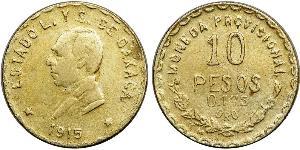
| Benito Juárez | Link to Wikipedia |
Benito Juárez (1806–1872): History and Coinage
Benito Juárez stands as a monumental figure in Latin American history, renowned not only for his legal scholarship but as the first Indigenous head of state to rule Mexico following independence from Spain. Born into poverty and orphaned at age three, he rose through societal barriers to become president during a period of intense civil strife between Liberals and Conservatives. His leadership was decisive against foreign threats when French troops invaded under Maximilian I seeking an imperial dynasty. Juárez secured national sovereignty until his death in 1872, cementing the era's democratic ideals against colonial remnants. He dismantled privileges accorded to the Catholic Church before leading efforts for equality across all social classes during turbulent times of war and occupation.
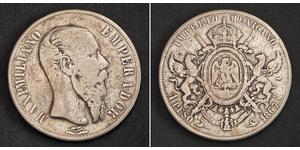
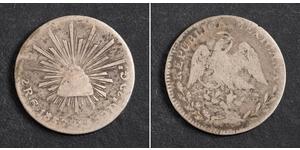
While he did not issue currency himself during active service—common for republican administrations prioritizing unified state identity over personal portraiture—he became a frequent subject of commemorative issues following his passing. During the Porfiriato under General Díaz, Mexican mints produced silver denominations bearing Juárez's visage to honor national unity and Indigenous heritage within the republic. Later institutions issued gold pieces celebrating centennials of key anniversaries like Constitution Day or Independence celebrations. These were high-quality commemorative collectibles rather than standard circulation currency, designed specifically to reinforce civic pride through artistic rendering on metal surfaces that outlasted their utility as exchange media.
Collectors value these items primarily for the profound historical narrative they embody and the connection to major geopolitical shifts in Latin America during the nineteenth century. Owning a piece bearing Juárez represents holding evidence of how nations navigated geopolitics against imperialist ambitions before modern economic integration began standardizing currency systems globally. Artistic quality is notable, especially since early portraits emphasized his Zapotec heritage and determined demeanor to contrast with contemporary European styles popular during that specific era of colonization transition toward republicanism. Specific die varieties remain scarce when considering transitional periods between different regimes or under varying mint directors which affected production consistency across regions.
Consequently, this numismatic niche serves an educational purpose: it allows enthusiasts to physically hold evidence of a government's attempt to stabilize its democratic ideals through symbolism rather than force alone. For those exploring historical coinage outside the major European dynasties and empires that dominated early catalogues, Juárez offers a unique perspective on modern nation-states utilizing currency design to unify populations across diverse ethnic backgrounds and cultural identities within postcolonial contexts today.