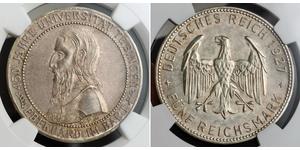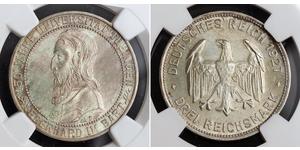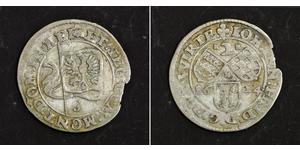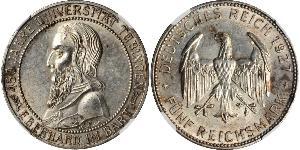
| Eberhard I, Count of Württemberg | Link a Wikipedia |
Eberhard I, Count of Württemberg (1265–1325): History and Coinage
The reign of Eberhard I, known historically as 'der Erlauchte' or the Illustrious Highness, marked a pivotal era for County of Württemberg. Born in Stuttgart in 1265, he became Count at age fourteen following his father's death and predecessor Ulrich II’s passing. Unlike many rulers of his time who were constrained by regents, Eberhard quickly asserted unrestricted authority from the start of his adulthood.
Relationship to Coinage
During Eberhard I’s life in the late 13th and early 14th centuries, minting rights were strictly controlled by Imperial decree. As Vogt (Bailiff) of Lower Swabia after serving under Albert II of Hohenberg-Rotenburg, he managed significant territories reclaimed from imperial bailiwicks established following the reign of Rudolph I. Coinage during this period typically featured coats of arms or inscriptions rather than full facial portraits common in later centuries.
The coins issued during his governance served a dual purpose: they were legal tender for trade and symbols of Imperial authority he successfully balanced against rival monarchs like Henry VII, Louis IV, and Frederick the Fair. His political maneuvering allowed him to offset territorial losses by securing economic sovereignty within Swabia. Collectors will find these issues significant because they often corresponded with his acquisition of land from impoverished noble families following funding secured through support for Bohemian nobility.
Why Collectors Value These Coins
- Rarity and Historical Provenance: Early Swabian copper coins are highly prized because they represent a rare transition period where local counts began asserting more independent economic control before full duchal powers emerged.
- Territorial Expansion Context: Specimens minted or authorized during his rule help visualize the expansion of Württemberg after he purchased towns from impoverished families, providing tangible evidence of state-building in a volatile Holy Roman Empire.
- Educational Insight for Collectors: Examining these pieces allows enthusiasts to appreciate how Eberhard established Stuttgart as a capital by integrating local trade. Understanding the heraldry or inscriptions connects directly to his three marriages and alliances with families like Werdenberg, which strengthened Württemberg's political standing.
Everhardt I’s legacy extends beyond military victories; he laid the foundation for economic independence in southwestern Germany. For modern collectors of medieval numismatics, these items offer a window into how regional rulers consolidated power through currency before their successors elevated them to Duke status centuries later.