| Ahmad II of Tunis | Link to Wikipedia |
Ahmad II of Tunis (1862-1942): History and Coinage
Ahmad II, born April 13, 1862 at the Dar al-Taj Palace in La Marsa, stands as a pivotal figure representing the final era of Beylical rule before independence movements took root. He became Crown Prince upon being named Bey al-Mahalla on January 14, 1928 and assumed power following his cousin Muhammad VI al-Habib's death early that same year, reigning until June 1942 when he passed away at age eighty.
His tenure defined a critical era where internal political pressure clashed with external colonial mandates. In May 1930 an International Eucharistic Congress convened in Carthage to celebrate the centenary of French conquest and Ahmed Bey reluctantly agreed to serve as Honorary President despite controversy regarding funding raised from taxes on Muslims which caused a furore within national movement.
In 1940 new Vichy regime led to appointment of Resident General Jean-Pierre Esteva who began pressing Ahmad Bey to implement anti-Jewish legislation. He eventually signed decrees excluding Jews from civil service and professional roles connected to press while facing political pressure regarding his defense of people interests against nationalist newspapers.
Coinage Context
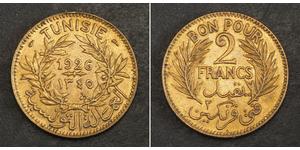
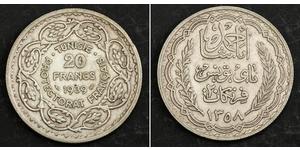
Tunisia's numismatic output during this specific reign reflects the unique political status of a monarchy operating under formal French protection. Coins circulated to validate state sovereignty despite external oversight, often bearing titles associated with legitimate leadership recognized by international observers before independence struggles within North Africa.
Coin Collector Interest
Fine coin enthusiasts prioritize these items for their educational value regarding the colonial transition in North Africa. Rarity emerges from administrative disruptions or political shifts near his death such as succession issues with cousin Muhammad VII al-Munsif who followed him shortly after Ahmad's passing to lead a nascent independent state structure.