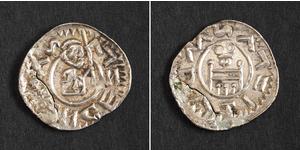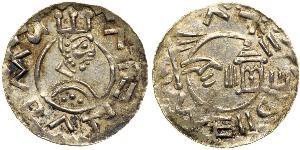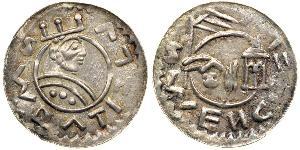
| Wratislaus II of Bohemia (?-1092) | Link to Wikipedia |
Vratislaus II (c. 1032–14 January 1092): History and Coinage
Sir Vratislav, later King of Bohemia, ascended to one of history's most coveted titles in the year 1085 when Holy Roman Emperor Henry IV granted him royal dignity. Before this imperial elevation he served as Duke from 1061 following his father Bretislaus I death and brother succession. Born around 1032, Vratislav was a central architect in the consolidation of Czech sovereignty against Polish expansion and internal dynastic friction with Jaromir of Prague. His political acumen peaked when Henry IV supported him during critical conflicts in Saxony, leading to his coronation which marked a shift from Duchy rule to Kingdom status.
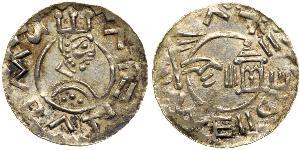
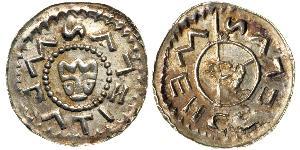
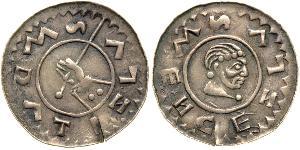
The transition of title directly influenced numismatic authority within the realm. While he held papal favor regarding liturgy and ecclesiastical privileges alongside temporal power, coins issued under his name carried imperial weight distinct from local ducal denars used earlier by regional lords. Collectors examine these issues for how legends evolved during 1085 when royal status was officially recognized on coinage rather than mere administrative titles held previously.
The Connection to Coinage
Numerical Context and the minting of currency often reflect political legitimacy. During Vratislaus reign, coins represented statehood transition as local mint privileges were consolidated under one crown. Prior issues showed ducal influence while later ones confirmed his authority over Bohemia and Moravia including Olomouc dioceses.
Value to Collectors
Numeratists appreciate coins from this era for their historical narrative and scarcity due to limited mint output in early medieval periods before standardization improved. For specialized collections focusing on Central European state formation or early Přemyslid artistry, these pieces are essential artifacts representing how regional rulers communicated legitimacy through precious metals during an era of shifting borders between Poland Germany and Hungary.