| Duardare |
| preceduto da | |
| Corea | ||||||||||
|


| sostituito da |
| Corea | Link a Wikipedia |
Corea: Storia, Monetazione e Collezionismo
Welcome to a journey through one of humanity’s oldest civilizations where the boundaries between land and culture have been etched into metal for centuries. To understand numismatics in this region, we must first appreciate its geographical destiny.
Contesto Storico
The peninsula coreana sits at a crossroads that has dictated economic fate throughout history; it acts as the natural gatekeeper between the vast Asian mainland and Japan. For centuries, this strategic position made Korea a vital buffer zone for trade routes connecting Central Asia to maritime nations in Southeast Asia.
This unique geographic articulation shaped an ancient civilization distinct from its neighbors yet deeply connected through cultural exchange. The mountainous spine running along the eastern coast limited inland travel but fostered a strong internal culture centered around major river valleys in the west. These fertile plains, where Seoul and Pyongyang have risen as great capitals, became hubs of commerce.
The geopolitical landscape shifted dramatically during modern times when foreign powers began to map their economic influence over these territories. By 1897, Korea transformed from a kingdom into an empire with the goal of independence in mind before eventually falling under external domination following defeat in regional conflicts. This period profoundly influenced its economy and monetary sovereignty.
The division established after World War II marked another epoch change but did not necessarily erase centuries-old cultural identity. While political systems diverged, the desire to maintain economic ties persisted where possible through underground markets or family transfers across borders.
Storia della Valuta e della Monetazione
The evolution of currency in this region is fascinating and reflects broader global trends yet with specific local characteristics. Early economies were based on agricultural output, leading to a long period where value was derived from land yields rather than standardized metallic coins.
In the Joseon Dynasty era (14th to 20th centuries), private merchants began minting small silver denominations known as Jeol to facilitate commerce across provinces. These were initially semi-private issues but eventually became state-regulated standards under royal authority, marking a significant step toward modern financial administration.
The transition from barter systems and heavy silk brocades used for trade value into metallic tokens marked Korea’s entry into the age of paper money in later periods. The Japanese colonial period introduced western-style coinage designs, featuring silver dollars that circulated widely until sovereignty was restored post-1945.
The modern era brought forth a complete overhaul with currency representing national unity and reconstruction after war destruction. This process allowed the state to stabilize finances through strict regulation of supply which prevented hyperinflation during critical economic rebuilding phases throughout history.
Zecche e Produzione Monetaria
In ancient times, Korea operated a system where local guilds often performed minting functions rather than relying solely on one central facility. This decentralized approach allowed for regional flexibility but created variety in quality and alloy composition among different eras.
Ancient artisans used traditional techniques involving bronze casting to produce early currency items while later periods saw the introduction of sophisticated stamp presses imported from abroad which increased production speed significantly by 19th century standards.
The artistic style on coins evolved alongside design philosophy; earlier designs featured auspicious symbols like dragons and tigers representing power over nature, whereas modern issues focus more closely on national heroes or cultural artifacts.
Monete più Rilevanti
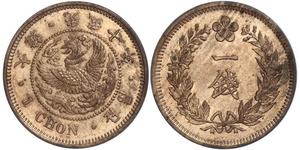
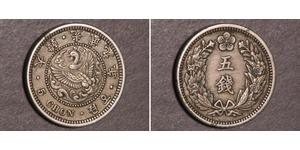
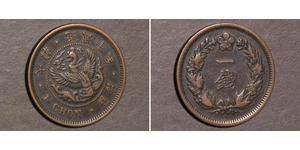
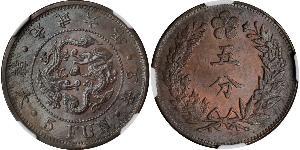
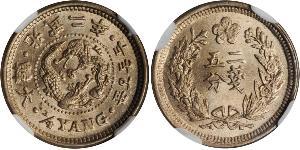
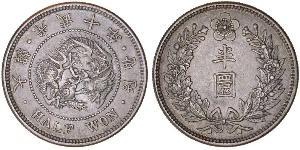
These small silver disks bear traditional script and were essential in daily commerce. The obverse typically displays a dragon while reverse patterns vary based on reign period making them highly desirable to collectors looking for specific dynastic markers.
This issue serves as historical evidence of the occupation period, displaying motifs derived from European designs adapted for East Asian markets. It is valued not only by metal content but also its scarcity relative to pre-colonial issues.
Minted in the immediate post-war era, these pieces symbolize economic recovery after devastation. Their design elements often incorporate national seals and agricultural imagery reflecting renewed focus on domestic development over foreign trade.
Coin enthusiasts specifically seek well-preserved examples from independence years because they represent a unique blend of artistic style meeting new political ideology simultaneously expressed in metal form for the first time in centuries history here
Eredità Culturale
The currency system acts as more than just economic instruments; it is physical proof of national identity and cultural continuity despite historical ruptures. The inclusion of traditional Hangul scripts on modern coins honors linguistic heritage while preserving readability standards established during earlier colonial interactions.
In addition, animal motifs like the tiger continue to appear frequently due to their deep symbolic meaning in folklore as guardians against evil spirits representing strength needed for nation building and resilience over time despite political changes or external threats throughout centuries existence.
Per i Collezionisti
Korea offers a rare opportunity for collectors seeking items that embody history directly rather than through secondary interpretation of events elsewhere. High-quality pieces from the modern era serve as educational tools showcasing how nations rebuild their financial systems after destruction.
For those who study these objects, understanding their provenance is essential to appreciating what they truly represent beyond material worth alone—pieces found in circulation often tell a story of resilience against odds faced by previous generations living under difficult conditions before eventual freedom restored today.