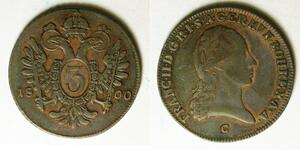
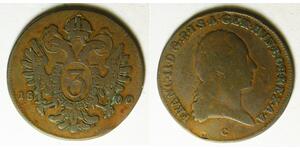
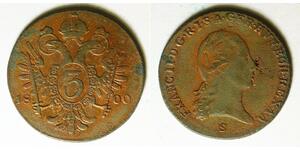
| précédé par | |
|
|||||||
 Prince-Bishopric of Bamberg (1245–1802)
|
|||||||

| suivi par |
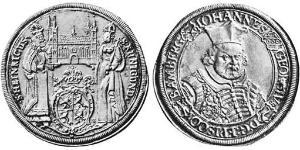
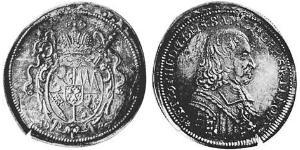
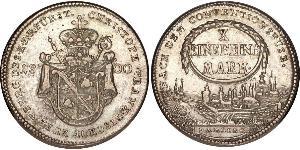
| Prince-Bishopric of Bamberg (1245–1802) | Lien vers Wikipédia |
Bishopric of Bamberg: History, Coinage and Collectibles
Step into a world where spiritual authority met royal power.
Welcome to the study of one of Germany’s most intriguing medieval entities. While often overshadowed by larger Germanic powers like Prussia or Austria in general history books, the territory known as the Bishopric of Bamberg possessed an independence and artistic confidence that rivals many modern nations. For those who collect historical money, this region offers a unique window into how governance shifted from pure religious devotion to pragmatic sovereign power.
Historical Background
To understand why we study these coins today, one must first grasp the political evolution of Bamberg itself. Unlike most cities in medieval Germany which were often contested battlegrounds or dependent on feudal lords for protection, the Bishopric was a remarkable anomaly born from an imperial decree.
The Bishop became both spiritual shepherd and temporal prince simultaneously.
The story began when Pope Leo III founded the city of Bamberg as a diocese to help stabilize power between Italy and Germany. Over time, its autonomy expanded under Charlemagne’s influence until it became one of the few territories in Europe governed entirely by an ecclesiastical authority rather than a layman.
This unique status allowed them to control their own borders without needing permission from external rulers for centuries. This period saw immense wealth accumulation through trade routes connecting Northern Italy with East Frisia and England, as well as the influence of great monastic orders like the Cistercians who settled in nearby forests.
Currency and Coinage History
The story of money in this region is fascinating because it tells us about political independence. In many German states during the Middle Ages, every city minted its own coins to show loyalty or rebellion depending on who was ruling at any given time.
Bamberg managed their currency without outside interference for hundreds of years before the Napoleonic era forced modern reform.
The early days were defined by silver. The standard denominations circulated within a small radius, but Bamberg's mint eventually gained such prestige that coins from there found themselves in trade centers across Europe.
The transition from purely local trade coins used for daily bread purchases into broader denominations like florins represented a maturation of the economy and statecraft. Collectors find this progression telling: every mint reform indicates either economic crisis, political change in Vienna or Rome, or simply rising inflation rates that required devalued currency.
Mints and Coin Production
The heart of numismatic interest lies within the city itself, where local guild moneyers operated under the supervision of the Bishop's officials. While most German regions were fragmented into hundreds of small mints producing inconsistent quality silver, Bamberg was unique.
Bamberg produced coins that are often considered "High Grade" examples by modern standards due to careful oversight and artistic refinement.
The city’s minting technology evolved alongside the rest of Central Europe. However, their designs remained distinctively regional rather than following imperial mandates from Vienna or Berlin until much later in history.
This allowed them to showcase specific artistic styles that were considered progressive in terms of engraving detail and relief height on coin surfaces. The presence of local legends in Latin and later regional dialects gave these items an air of authenticity found nowhere else at the time, distinguishing genuine pieces from forgeries or imitations often found elsewhere.
Notable Coins
If you hold one of these coins today, you are holding a piece of history that connects directly to the Holy Roman Empire and early modern European finance. The most significant coin type is likely found in silver deniers produced throughout the fourteenth century.
- The early silver coinage features simple yet striking profiles of bishops wearing mitres and crosses, often surrounded by inscriptions written entirely in Gothic script that identify the authority behind them. These designs were highly respected across Europe for their clarity.
- Later issues introduced gold florins to rival those from Florence or Vienna, but these are rarer outside specialist circles because they rarely circulated widely like common silver did. They represent high-value transactions often associated with international banking houses of the era rather than daily commerce.
Coin collectors prize these later examples especially when found in uncirculated condition; their rarity stems from both low production volume and the rapid political changes caused by French invasion or imperial reorganization that ended many centuries-old mints. The transition period is particularly valuable because it bridges two distinct eras of European history.
Cultural Legacy
The coinage serves as a mirror to how society viewed itself through time and space. During the Middle Ages, this meant displaying strong Christian iconography such as depictions of St. George (the patron saint) or Pope Leo III on the faces of coins that were used daily by farmers in villages far from major cities.
The artistic style often featured Cistercian influence from the region—a very specific blend of minimalistic architectural lines combined with heavy shading to create dramatic visual impact on metal surfaces, making these coins stand out compared to plain silver issues found elsewhere in Central Europe. Their enduring legacy is tied to their ability to maintain this regional identity even after political borders were redrawn by Napoleon's armies.
For collectors
This collection offers a fascinating opportunity for students of history or numismatics who seek depth beyond standard catalog data because each piece comes with its own story about how medieval banking worked under unusual circumstances. The scarcity found in silver denominations makes these particularly interesting to those interested in European trade routes from the thirteenth through sixteenth centuries.
The region represents one final chapter where independent city-states could flourish before modern nation-states consolidated power into larger kingdoms, preserving a cultural legacy that is vital for understanding the full scope of how Germany evolved from its medieval roots into modernity. Whether studying religious history or financial systems alike will find much to consider in this collection.