| Yusef of Morocco (1882 - 1927) | Link to Wikipedia |
Moulay Yusef: c. 1882 – 17 November 1927 : History and Coinage
The Historical Context of a Defining Monarch
Moulay Yusef ben Hassan stands as a pivotal figure in Moroccan history, marking the turbulent transition from traditional rule to colonial administration during the early twentieth century. Born around 1882 in Meknes and raised by tutors before emerging into public life under his brother's authority, he assumed power following the abdication of Sultan Abd al-Hafid after the Treaty of Fez signed with France in 1912.
The Era of Transition
Yusef’s reign was defined by efforts to preserve Alaoui sovereignty amidst French and Spanish protection. He successfully navigated serious uprisings, including the Rif War led by Abd el-Krim, which eventually required a Franco-Spanish military coalition for resolution. To ensure stability during these conflicts, he relocated the royal court from Fez to Rabat in 1920. This strategic move established an administrative center that served as Morocco's permanent capital until independence later in the century. His personal life involved significant marital alliances and diplomatic engagements with European powers, symbolized by honors such as the Legion of Honour from France.
The Numismatic Connection
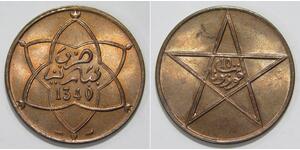
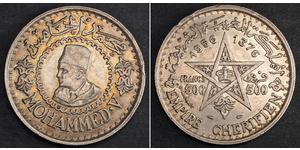
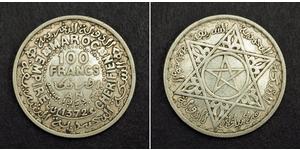
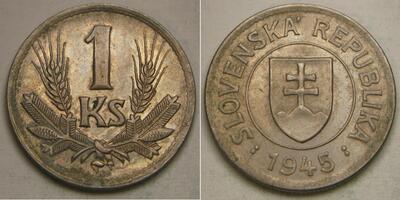
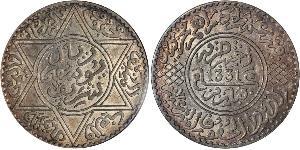
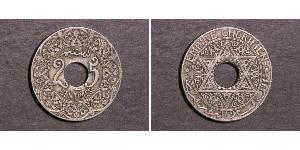
The coinage associated with Moulay Yusef reflects his dual role within local tradition and colonial structure. While standard circulation during the French Protectorate often utilized currency minted under oversight featuring imperial iconography, later commemorative pieces honored him as a key historical figure of independent heritage before World War II concluded. Collectors encounter these items primarily through numismatic sets focusing on North African history or specific Alaoui dynasty collections. These issues generally represent either the period where French authorities managed coinage design for circulation in Fez and Rabat, or retrospective commemoratives acknowledging his status as Sultan during a critical geopolitical era.
Significance to Collectors
Enthusiasts value coins bearing this name not merely for rarity but for the unique historical narrative they convey. These items offer tangible connections between European colonial history and indigenous monarchy, often displaying artistic quality that blends traditional Islamic motifs with Western administrative standards required by his time of rule. Acquiring pieces linked to Yusef allows collectors to study the monetary systems transitioning away from gold or silver toward fiat-backed currency under foreign mandate. For those specializing in modern regional numismatics, these specimens provide essential context regarding statehood evolution without requiring expert knowledge beyond appreciating their place in North African history.