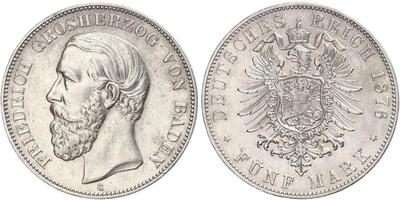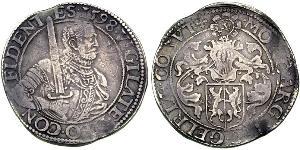
| William the Silent (1533 - 1584) | Link to Wikipedia |
William the Silent (1533-1584): History and Coinage
In the turbulent sixteenth century, William the Silent emerged as a pivotal figure in European politics who reshaped national identity across Western Europe. Initially serving under Emperor Charles V as a court favorite appointed to manage territories in the Low Countries, he eventually championed religious freedom for local Protestants against centralizing Spanish authority. His leadership transformed a collection of provinces into sovereign entities known collectively as the United Provinces.
The Numismatic Legacy
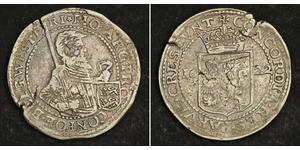
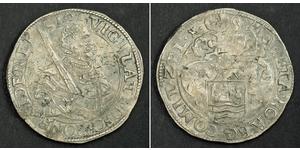
Coinage during William's lifetime reflects his dramatic political shifts and shifting allegiances from imperial court to rebel leader. Initially, currency circulation was dominated by Spanish silver pieces issued under royal authority or local guilders minted in cities like Amsterdam before independence. Consequently, standard circulating coinage bearing the Prince's portrait became scarce until after sovereignty was formally recognized.
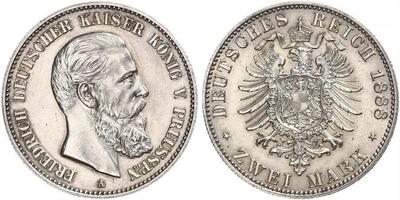
The House of Orange-Nassau legacy ensured that his imagery persisted through later dynastic issues following his assassination. Coins depicting him appear primarily on commemorative pieces issued by modern Belgium and the Netherlands to honor his status as Pater Patriae (Fatherland), or in 19th-century contexts honoring royal ancestry within the Dutch monarchy.
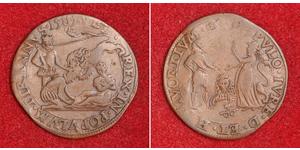
Coinage from the rebellion era was often interrupted by conflict, leading numismatists to study medals rather than sovereign minted pieces for historical insight. Understanding these financial instruments allows collectors to appreciate how currency evolved from symbols of imperial control into badges of national independence during a pivotal war against tyranny and persecution.
The Collector's Perspective
Coin enthusiasts pursue these items primarily due to scarcity, artistic merit, and the tangible connection they offer to historical upheaval. Finding specimens referencing his struggle for freedom offers unique entry points into specialized collections focusing on early modern European liberty movements.
- Rarity: Early post-independence strikes featuring heraldic arms associated with him are uncommon due to wartime instability, making surviving examples valuable additions to private cabinets.
- Symbolism: Designs frequently incorporate lilies or national emblems representing liberty and Protestant resilience established during his revolt against the Inquisition and Spanish centralization efforts.
Each piece tells a story of how state authority was forged from rebellion. For collectors, understanding these coins provides insight into economic history intertwined with political upheaval in Europe's most contested territories of that era. Exploring such pieces bridges art history and political narrative through tangible artifacts preserved for centuries.