| Wilhelm I, German Emperor (1797-1888) | Link to Wikipedia |
Wilhelm I (1797–1888): History and Coinage
The Foundation of a Unified State
King Wilhelm Friedrich Ludwig ascended the throne during one of Europe's most transformative periods in history. As the first head of state of unified Germany, his tenure marks the definitive consolidation of German national identity under Prussian leadership. Born into an era dominated by Napoleonic conflict to imperial unity, he evolved from a reluctant heir into Kaiser Wilhelm I through strategic diplomacy and military triumphs against Austria and France. His reign bridged the gap between regional kingdoms and a modern centralized empire.
The Relationship to Coinage
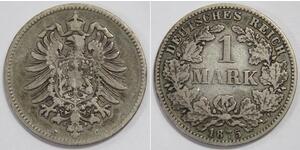
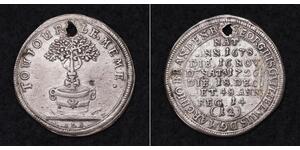
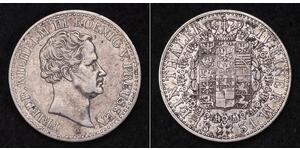
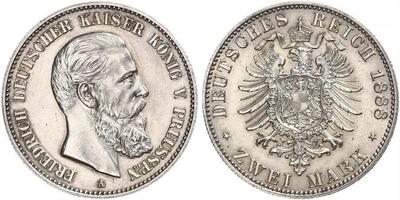
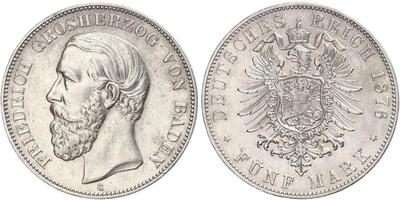
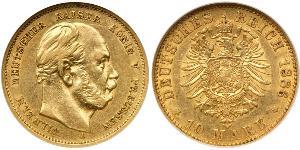
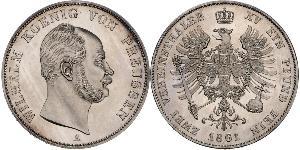
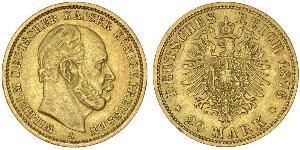
The numismatic connection of this figure reflects the political evolution of his era. During his early career as King of Prussia beginning in 1861, standard silver issues circulated within the Kingdom's territories bearing traditional royal symbols. However, significant change occurred with the proclamation of the German Empire in January 1871 following the Franco-Prussian War.
From this point forward, Imperial currency bore his likeness alongside that of Chancellor Otto von Bismarck as a symbol of federal authority. Portraits depicted him wearing imperial regalia or traditional crowns often adorned with ermine and eagle motifs, solidifying his power across newly unified German states. These issues represent tangible evidence of the transition from Prussian marks to standardized Reichsbank currency.
The portrait remained consistent through various mints in Berlin, Munich, Stuttgart, and Dresden during the 1870s and early 1880s, marking a period where coinage served as propaganda for unification ideals. Collectors examining these pieces witness how metal replaced disparate local currencies with symbols of national unity.
Educational Significance
Collectors value coins featuring Emperor Wilhelm not merely as currency but as artifacts of geopolitical shift. Coins from this period carry specific historical weight regarding the birth of a modern nation-state rather than aesthetic trends alone. Silver coins minted during campaign victories hold particular interest due to their association with national pride and military successes.
The evolution from regional issues to standardized German designs reflects federal political changes, making these items essential for understanding centralization efforts in late 19th-century Europe. While market values fluctuate based on condition and mintage figures, the historical provenance ensures lasting interest among students of European history who appreciate tangible links to the architects of continental unity.