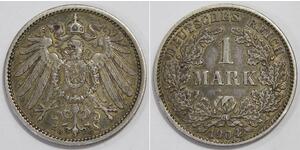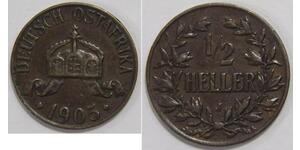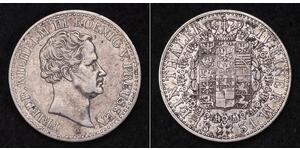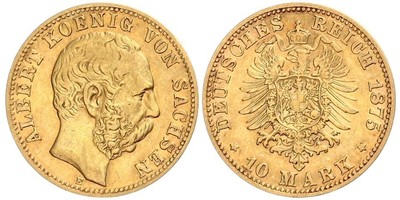
| Wilhelm II, German Emperor (1859-1941) | Link to Wikipedia |
Wilhelm II (1859 – 1941): History and Coinage
The Historical Context of a Final Empire
The reign of Wilhelm II represents the final chapter of Germany’s four-century rule over Prussia within the Hohenzollern dynasty, ending with his abdication in 1918. His tenure as Kaiser lasted from March 1888 until forced resignation during the German Revolution, marking a dramatic transition from monarchy to an unstable democratic state known as the Weimar Republic.
This period was defined by aggressive diplomacy and naval expansion that reshaped global power dynamics but ultimately alienated European allies through threats toward Britain, France, and Russia. As Europe moved toward conflict following his death in 1941 after exile in the Netherlands during Nazi occupation, Wilhelm’s erratic policies eroded alliances until a total war dismantled his empire entirely.
In November 1873 under Bismarck unification of Germany created legal tender standards for trade. However it was under him that the Empire became Europe's largest manufacturer yet faced isolation due to naval build-up contesting French control over Morocco and backing Austria-Hungary annexation in Balkans by 1900s when tensions rose dramatically culminating July Crisis which plunged all of Europe into World War I.
Coinage and Imperial Authority
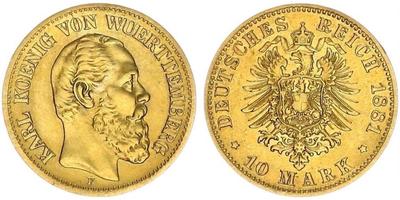
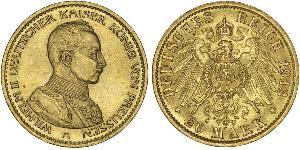
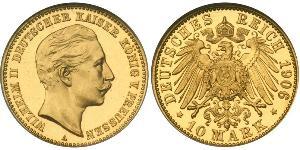
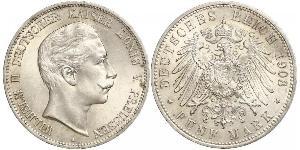
During his reign, mint authorities produced various silver marks and gold pieces featuring his bust or an Imperial Eagle bearing his name after legislative changes allowed individual portraits on higher denominations starting in the early 1900s. Unlike predecessors where Bismarck era coins utilized more conservative symbols without personal portraiture for most issues Wilhelm II’s portrait appeared prominently to project imperial authority directly to citizens and foreign powers.
The minting ceased abruptly with war's end in November 1918 following abdication which replaced his likeness entirely on all denominations within single fiscal year before Nazi occupation regime issued new currency starting later years. During these periods he remained historically significant as the last German Emperor from whom coinage vanished after democratic conversion of state governance.
Collector Interest and Historical Value
Collectors prize coins bearing his likeness because they encapsulate pivotal era where financial instruments became symbols of national confidence before collapse. High-grade specimens are often rare due to heavy usage in wartime commerce or post-conflict melting down for industrial salvage operations which occurred immediately after hostilities concluded across Western Europe.
For enthusiasts studying numismatic trends from 1870 to 1925 Wilhelm-era issues offer unique comparison point against earlier Bismarckian period coins. Examining these pieces provides direct insight into how artistry reflected national confidence during Empire's zenith before rapid dissolution following revolution making them sought after objects that bridge history lessons for students seeking deeper connections between monetary policy statecraft decisions of this specific era in German historical records.
The scarcity combined with political weight ensures demand remains high among specialists who understand the connection between his diplomatic brinksmanship and subsequent numismatic transition from Empire to Republic. These artifacts preserve visual evidence of a world power that vanished rapidly, offering tangible links for researchers studying early 20th century European economic history through material culture analysis.