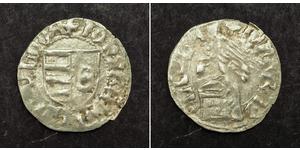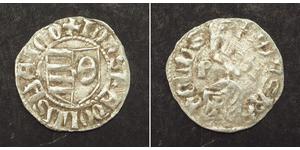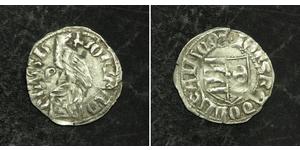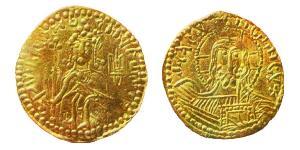
| Vladimir the Great (958 - 1015) | Link to Wikipedia |
Vladimir I Sviatoslavich (c. 958 – 1015): History and Coinage
Vladimir the Great stands as one of the most significant figures in medieval Eastern European history. Born illegitimate but ascending to power through military prowess, he transformed Kievan Rus' from a pagans stronghold into a Christian nation by his conversion in 988. His legacy is defined not only by military conquest and state consolidation but also by his strategic political alliances that brought Rus' firmly within the sphere of Byzantine cultural influence.
The Relationship to Coinage
Numerous historical accounts indicate Vladimir’s role facilitated a major shift in regional currency. During his reign, extensive trade networks connected Novgorod and Kiev with Constantinople. While native silver coinage minted directly under the authority of early Rurikid princes was scarce compared to later issues from Yaroslav or Izjaslav, hoards discovered in the region often contain Byzantine denarius coins circulating during Vladimir's time.
The connection is most tangible at Chersonesus. In 987 and 988, while negotiating his marriage to Princess Anna of Constantinople and seeking military support for imperial revolt suppression, he utilized trade ties that allowed Byzantine coinage to flow freely into the Rus' territory. Numismatists study artifacts from this era to understand how Vladimir's political maneuvering standardized value within an economy heavily reliant on foreign silver rather than domestic mint production in the early 10th century.
Why Collectors Value These Coins
Educational and historical enthusiasts are drawn to these pieces for several distinct reasons:
- Historical Rarity: Silver coins from Kievan Rus' represent one of the earliest examples of Slavic monetary systems, offering tangible links to a civilization before extensive written records.
- Trade Network Insights: Each coin found in the soil acts as archaeological data point regarding Vladimir’s trade agreements and diplomatic reach across Europe and Asia.
- Cultural Bridge: Collecting currency from this period highlights the transition of Rus' away from Varangian silver to Byzantine gold standards, mirroring Vladimir's spiritual journey toward Orthodoxy.
The enduring value for a numismatic cabinet lies in understanding that these items were not merely money but artifacts of state-building. For every collector examining a denarius attributed to the Chersonesus mint under this dynasty, they are engaging with the economic infrastructure Vladimir constructed during his Christianization efforts.