| Victor Emmanuel III of Italy (1869 - 1947) | Link to Wikipedia |
Victor Emmanuel III (1869-1947): History and Coinage
Victor Emmanuel III stood at the helm of Italy during a transformative era, overseeing unification efforts through World War I before navigating Fascist rule until his abdication in 1946. Born November 1869 as heir to Umberto I following that monarchs assassination Naples court intrigues he ascended throne age thirty under Statuto Albertino granting constitutional monarchy powers despite political instability challenges faced by parliamentarians early decades dominated Giolittis economic reforms industrialization focus and democratic expansions such universal male suffrage implementation across southern Italy populations integrating diverse demographics into nation state structure before entering first world war conflicts with entente allies signing secret treaty London commitments defense obligations shifting from triple alliance membership towards independent foreign policy decisions leading to Trentino Trieste territories annexations after conflict victory ending Habsburg Empire dominance over northern Italian speaking regions.
His reign encompassed the rise of fascism under Mussolini appointment which he initially resisted entering war until June 1940 granting sweeping powers while attempting diplomatic resolution following British alliance strategies during global depression eras affecting working classes seeking extreme solutions against unemployment threats facing nation economy post-world one recession conditions worsening social unrest leading to march Rome events where new government formed before subsequent armistice negotiations surrendering Italy territory occupation zones under German control later Operation Achse reprisals forcing royal flight Brindisi southern base while northern Italian puppet state established under Mussolini leadership after his overthrow September 1943. He abdicated favor son Umberto II becoming King briefly until republican referendum confirmed monarchy abolition in same year exile Alexandria death following years diplomatic efforts before remains returned Italy centuries later.
Relationship to Coinage
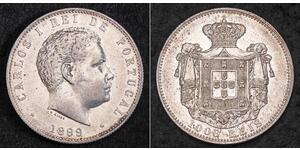
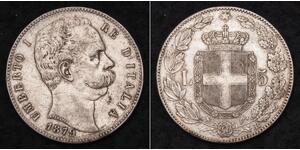
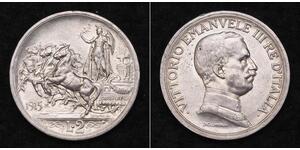
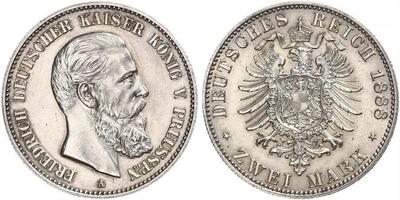
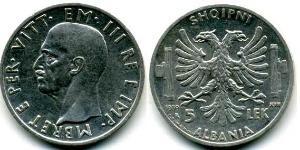
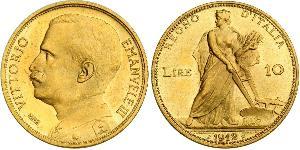
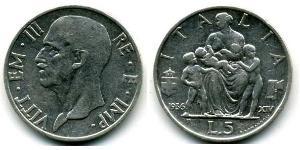
During these formative decades, the Kingdom of Savoy minted legal tender bearing Victor Emmanuel III likeness representing sovereign authority utilized for daily commerce by citizens spanning urban centers like Rome Turin and Milan. Currency issued during his lifetime included various lira denominations serving both domestic needs while he held additional imperial titles Emperor Ethiopia King Albania following invasions under Fascist regime expanding territorial control before 1943 collapse of occupation zones leading to Republic establishment replacing monarchical rule officially under referendum votes confirming republicanism instead monarchy system governing previous centuries across peninsula history. These metal artifacts were standard state currency rather than commemorative medals initially issued only after death, though his name appeared widely on circulation pieces.
Why Collectors Value These Coins
Collectors are attracted by the profound connection between these small objects and major geopolitical shifts reshaping Mediterranean landscape during first half twentieth century history. Beyond rarity of high-grade examples found earlier wartime mint runs or posthumous issues from Alexandria burial sites, they offer insight into design evolution alongside state propaganda efforts promoting national unity regardless political regime changes occurring throughout decades of governance shift in European region where artistic quality captures early industrial printing techniques on metal sheets used across Italian cities making them valuable historical records preserved outside archival documents alone for future generations interested studying currency as primary source material documenting public face nation before becoming republic officially under institutional referendum votes confirming Republic instead monarchy system governing previous centuries.