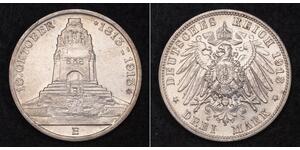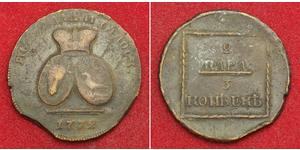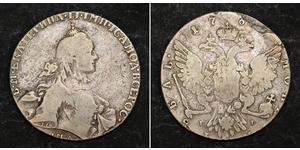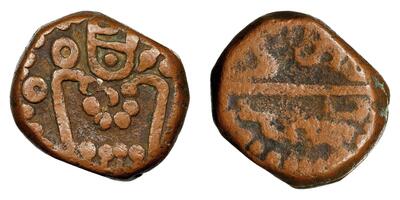
| Stanisław August Poniatowski (1732 - 1798) | Link to Wikipedia |
Stanisław II August Poniatowski 1732 – 1798: History and Coinage
A Sovereign at a Crossroads
In the annals of European history, few reigns are as poetically tragic or historically pivotal as that of King Stanisław II August Poniatowski. Serving as monarch from 1764 until the complete dissolution of his nation in 1795, he presided over a Commonwealth teetering between reform and destruction.
This museum exhibit explores not only the final days of an independent Polish state but also the physical remnants left behind by this complex figure. Poniatowski is remembered for two distinct achievements: navigating international diplomacy during a perilous geopolitical landscape and authorizing the Constitution of May 3, 1791. This document remains the oldest written constitution in Europe still in force at the time of its drafting.
To understand his legacy through numismatics requires looking beyond mere aesthetics to political sovereignty. Coins issued under this reign symbolized the struggle for national independence against overwhelming imperial pressure from Russia, Prussia, and Austria. The currency served as a tangible declaration that Poland still existed, despite military occupation or territorial loss.
The Numismatic Legacy
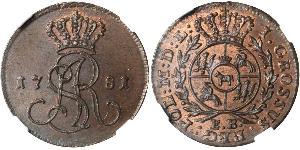
Coinage during Poniatowski's tenure was minted in various denominations of Polish crowns, zlotys, and talers at mints within the Commonwealth. While early issues featured traditional heraldry, later examples from his reign often displayed portraits intended to project dignity amidst growing weakness.
- Issuance Period: Most significant sovereign pieces were struck during the "Great Sejm" era (1788–1792), where legal reforms attempted to strengthen royal authority against feudal privileges.
- Sovereignty Indicators: Collectors often examine whether coins bear national symbols or merely generic imperial designs. The transition from Polish imagery to Russian, Prussian, and Austrian coinage illustrates the political disintegration he failed to arrest militarily but preserved culturally through art education funding and patronage.
- Timeline of Circulation: Post-partition issues were sometimes authorized by his name before his abdication in 1795 or after his death, reflecting how European powers maintained nominal ties even as actual control shifted to foreign generals.
The Appeal for Collectors
Piece collectors find the numismatic evidence of Stanisław II August Poniatowski fascinating due to its narrative weight. These items represent a critical moment in modern history where democratic ideals clashed with monarchical power and imperial ambition.
- Educational Value: Studying these coins allows enthusiasts to trace the timeline of Polish-Lithuanian independence directly through metal.
- Rarity Context: Circulation was often interrupted by war, making later surviving specimens valuable historical witnesses rather than just market commodities.
- Cultural Continuity: The designs honor a patron who founded the Commission of National Education. A coin is less about wealth and more about cultural survival during occupation.
This collection invites you to examine these artifacts not merely as currency, but as medals for national endurance that survived against all odds before history itself was erased from maps.