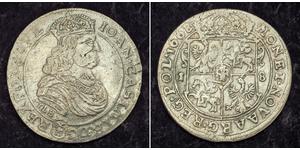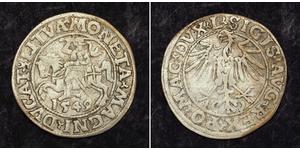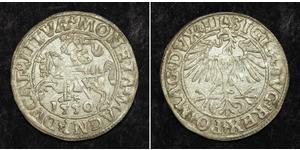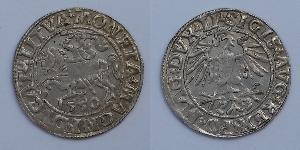
| Sigismund II Augustus (1548 - 1569) | Link to Wikipedia |
Sigismund II Augustus 1520 – 1572: History and Coinage
Introduction
We invite you to examine the legacy of Sigismund II Augustus, a transformative monarch who navigated his realm toward early modern statecraft. Born in Kraków as an heir groomed alongside political rivals and scholars, he became instrumental during a volatile succession period marked by the need for noble acceptance regarding royal transitions.
Historical Context
Sigismund II Augustus is celebrated primarily for his pivotal role in establishing Polish stability. Unlike many monarchs before him who struggled with immediate rebellion, Sigismund cultivated a culture that flourished under the banner of what we know as Poland's Golden Age. He navigated complex court politics following the death of his mother and father while maintaining peace despite regional tensions like the Northern Seven Years' War.
Coinage
In numismatics, this monarch represents a specific period where royal portraiture evolved alongside political union. During Sigismund's reign, coinage circulated throughout the territories of Poland and Lithuania to reinforce authority during times when succession laws were still shifting among nobles. Coins issued in his name typically featured refined heraldic symbols reflecting his dual role as King of Poland and Grand Duke of Lithuania.
- Lifeline Coinage: He minted currency throughout his rule, utilizing established mints that continued traditions inherited from the Jagiellonian predecessors while introducing subtle stylistic shifts.
This period highlights why collectors focus on these specific issues: they represent a bridge between medieval iconography and modern state representation. As he oversaw major legislative acts unifying Lithuania formally with Poland in 1569, the currency reflects this political consolidation through unified legends and imagery intended for trade across Baltic ports.
Rarity
The primary reason collectors value pieces from his reign is historical significance rather than scarcity alone. These coins serve as tangible artifacts representing an era of diplomatic finesse, peace treaties with Austria and France, and domestic arts patronage that defined the region's cultural peak.
Detailed provenance records show that while portraits became more elaborate under later dynasties during his tenure marked by this specific artistic growth in coin design remains sought after for their depiction of a ruler at the very apex of European influence without significant conflict. We encourage you to examine these pieces as physical manifestations of an era where trade routes were secured and royal authority was cemented through economic power.