
| Seneca the Younger (4 BC – AD 65) | Link to Wikipedia |
Seneca (c. 4 BC – AD 65) History and Coinage
Welcome to our exhibit on one of history's most influential moralists. Seneca, whose full name was Lucius Annaeus Seneca the Younger, stands as a towering figure in Ancient Roman literature and philosophy. A celebrated Stoic philosopher born in Cordoba within Hispania, he navigated treacherous political waters during the reigns of Caligula, Claudius, and Nero. His life reads like a dramatic epic: from tutor to Emperor Nero to advisor on matters of state until his execution by forced suicide at age sixty-five.
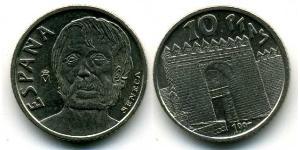
Unlike emperors who held supreme authority, Seneca did not possess minting powers for standard circulation coinage during the early Imperial period. Consequently, you will rarely find a portrait head of him gracing contemporary denarii or sesterties from Rome under his lifetime influence. Instead, he appears on posthumous commemorative medals struck centuries later by Italian city-states such as Venice and Florence during the Renaissance.
This shift in numismatic interest is crucial for understanding why collectors seek these specific artifacts today. While emperors utilized coinage to project political propaganda, Seneca's images appear when his philosophical legacy required preservation rather than state advertisement. Cities honoring him recognized his wisdom as a moral oracle relevant even after the fall of Rome and into Christian antiquity.
- Historical Significance: Coins featuring later depictions remind us that Seneca's influence extended beyond politics, touching art and philosophy for millennia.
- Rarity and Artistic Merit: Ancient portraits are scarce. Later commemorative issues by skilled Renaissance die-cutters offer high artistic value to collectors focusing on moral history rather than military conquest.
- Associations with Events: These pieces often connect his biography—exile, wisdom, death—to broader numismatic narratives of Roman decline and the endurance of Stoic thought in Western Europe.
In conclusion, while standard imperial issues focus on Emperors' power, Seneca's presence in your collection serves to honor human intellect. Exploring these later medallions allows you to collect history that transcends currency utility, connecting physical artifacts with the enduring philosophical debates of a civilization that shaped our modern world.


