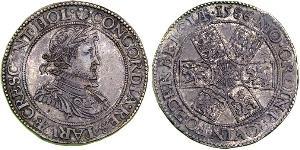
| Robert Dudley, 1st Earl of Leicester (1532 - 1588) | Link to Wikipedia |
Robert Dudley, 1st Earl of Leicester (1532–1588): History and Coinage
In the annals of Elizabethan England, Robert Dudley stands as one of the most complex figures in history. Known widely for his deep political alliance with Queen Elizabeth I from her accession until his death, he was a central architect of domestic policy and military campaigns abroad. Beyond being a favorite courtier, Leicester served as Master of the Horse, patron to explorers like Francis Drake, and Lord Steward of the Royal Household. His life defined much of the cultural landscape of 16th-century England, bridging high political intrigue with artistic patronage during one of history's most golden eras for arts and literature.
Relationship to Coinage
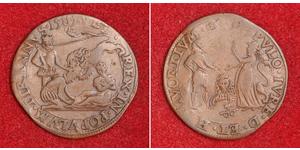
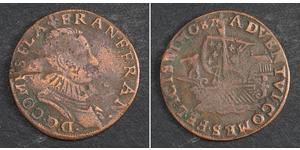
To understand Leicester's numismatic presence requires a deep appreciation for Elizabethan minting laws. During this period in the British Isles, sovereign coinage was strictly reserved for the monarchs themselves as an assertion of absolute power and divine right. Consequently, circulating currency bore only royal portraits or religious icons rather than those of high nobility like the Earl of Leicester. However, his image has survived not on standard gold crowns but primarily through contemporary medals and commemorative tokens struck to honor him posthumously.
Coinage enthusiasts looking for his likeness often turn to these memorial pieces created during or after Dutch Revolt campaigns where he served as an administrator in the United Provinces. Additionally, later mints produced souvenir issues leveraging his popular association with Elizabeth I's reign and Kenilworth Castle festivities. While collectors do not seek official legal tender bearing his head—unlike that of Edward VI—they prize these medals for their artistic fidelity to contemporary court portraits. The lack of sovereign coinage highlights the unique position he held, celebrated in culture but distinct from royal authority.
Why Collectors Value These Coins
The value attributed by numismatists and history enthusiasts extends far beyond market price; it lies in rarity and historical context. Because official minting excluded him to protect the sanctity of the crown, pieces depicting his image are scarce finds for collectors focusing on Elizabethan court life. The portraits used on these medals often reference works by renowned artists of the era, allowing owners to own tangible copies of visual history from a pivotal century.
The association with major historical events provides significant educational value. Holding an artifact linked to Leicester connects viewers directly to key moments such as the Spanish Armada or the festival at Kenilworth Castle without needing extensive research into royal records. Furthermore, these items offer insight into how patrons used metal art for propaganda and legacy building during a time when personal fame was often captured in stone and silver rather than paper or ink. This makes Leicester's numismatic artifacts particularly important within specialized collections focusing on Tudor-era biography and patronage.