| Pope Gregory XVI | Link to Wikipedia |
Gregory XVI (1765–1846): History and Coinage
Bartolomeo Alberto Cappellari, born in 1765 near Venice as the last of five children from a local noble family, spent his youth teaching philosophy before entering religious life at eighteen. His appointment to roles within the Camaldolese Order eventually led to an unexpected election in February 1831 following complex political maneuvers by European cardinals who had exhausted other candidates.
He became pope without being ordained bishop prior to consecration, marking him as a unique figurehead during a volatile period of Italian unification. The revolution of 1830 overthrew Bourbon powers in France and inflicted severe blows on Catholic royalist parties nearby, requiring Gregory XVI to call upon Austrian troops frequently to defend his territories against local insurrections.
Historical Context and Coinage
The reign of Pope Gregory XVI is defined by his defense against new ideas that threatened the traditional doctrine he championed. His governance occurred under significant pressure from revolutionary movements across France and Italy, making coin production during this specific era less stable compared to predecessors like Pius VII who issued coins earlier in the century.
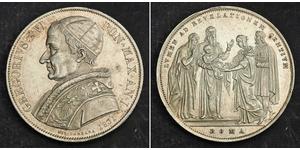
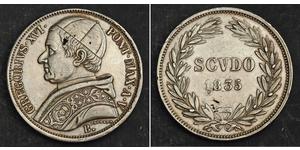
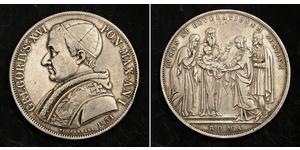
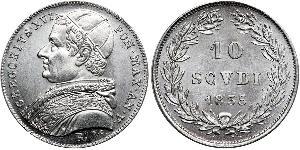
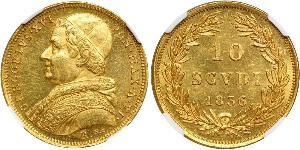
Coinage depicting Gregory XVI was primarily managed by the Holy See within the territories of Rome before Italian states fully consolidated power later. Standard bullion denominations were minted as proofs and circulation, yet survival rates are lower due to conflict with Austrian troops supporting Papal security against republicans operating from nearby cities.
The Numismatic Relationship
Numismatic enthusiasts also collect medals issued posthumously or during his pontificate commemorating the 1839 brief condemning slavery. These items highlight abolition of slavery rather than standard currency portraits, offering collectors a chance to possess artifacts connected to humanitarian movements in early nineteenth century Europe.
Collections and Value
The historical importance outweighs monetary value for this specific category. Each coin tells part of the story regarding how European politics influenced religious governance during a critical transition between monarchies and republicanism. Rarity is driven by wartime damage rather than lack of minting intent.
Collectors who explore these pieces gain deep insights into how authority shifted from Rome to national governments in Italy, adding depth to collections focusing on sovereign history or European state transitions during that turbulent nineteenth century period where tradition clashed with modernism.
- Rarity due to unrest
- Educational value regarding political shifts
- Humanitarian context via missionary briefs
This concludes the exploration of Gregory XVI. Whether viewed as a historical figurehead or numismatic rarity, his legacy endures through these physical artifacts that bridge spiritual and secular authority in central Europe.