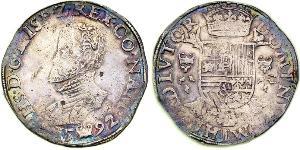

| Philip II of Spain (1527-1598) | Link to Wikipedia |
Philip II 1527–1598: History and Coinage
Philip II stands as one of history's most formidable monarchs, ruling over an empire that stretched across three continents at its zenith during the sixteenth century. Known in his native Spain as the Prudent, he reigned from 1527 to 1598 during a critical era where European powers grappled with religious conflict and geopolitical dominance.
His legacy defines the transition of global power dynamics particularly through his leadership against Ottoman expansion and Protestant influence within Christendom. Born in Valladolid and raised at Castilian courts, he was trained under Emperor Charles V's stern guidance to prioritize duty over personal ambition, establishing a regime where piety dictated public policy alongside military might.
Relationship to Coinage
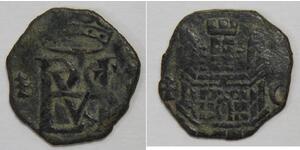
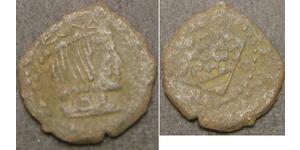
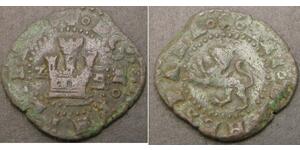
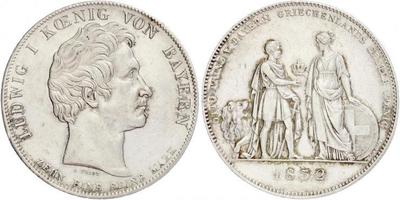
The vast reach of Philip's domains necessitated a unified yet adaptable monetary system that facilitated trade across his diverse territories. As King of Spain and Portugal from 1556 onwards, coins bearing his official portrait circulated extensively across the Iberian Peninsula, the Low Countries, Italy, and throughout the Americas via colonial mints.
The placement of the sovereign bust on currency was deliberate political strategy designed for a fragmented empire spanning languages like Spanish, Portuguese, and Dutch. It legitimized his authority against rival claimants while projecting an image of pious stewardship crucial to maintaining control over deeply religious populations during volatile times of war with France or England.
Coinage issued under this reign often utilized silver bullion extracted from New World mines directly into circulation as payment for soldiers and administrators. This economic practice highlights how Philip's personal wealth was intrinsically tied to imperial expansion strategies that collectors today study through their metal artifacts.
Why Collectors Value These Coins
Enthusiasts are drawn to specimens featuring this monarch not merely for market rarity, but for the narrative they carry within numismatic circles concerning state finance and empire building efforts of that specific era. Exploring these items allows scholars to visualize how political boundaries were drawn through metal rather than maps alone during times of intense geopolitical tension involving multiple nations fighting over territory or religion simultaneously.
- Pieces struck in cities like Seville or Lima offer a tangible connection to the wealth of the Spanish Golden Age and maritime dominance required to maintain such holdings under one king.
- The artistic quality often reflects the influence of architectural grandeur found at El Escorial which characterized his later reigns where he sought to consolidate power through religious piety against rivals across Europe.
For specialized collections focusing on early modern state finance, these coins represent sophisticated monetary unions before industrial centralization occurred in Europe significantly altering currency standards for centuries thereafter. Exploring Philip II currency allows enthusiasts to visualize how political boundaries were drawn through metal rather than maps alone during times of intense geopolitical tension involving multiple nations fighting over territory or religion simultaneously.