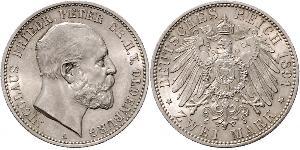
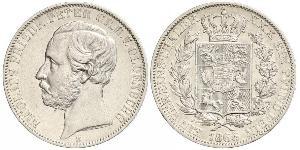
| Peter II, Grand Duke of Oldenburg (1827 - 1900) | Link to Wikipedia |
Peter II, Grand Duke of Oldenburg (1827–1900): History and Coinage
In the annals of German regional history, few figures embody the transition from sovereign autonomy to imperial integration as clearly as Peter II. Reining as the reigning Grand Duke from 1853 until his death in 1900, he secured a pivotal geopolitical achievement for his small state: access to the Baltic Sea through treaties with Prussia between 1864 and 1867. His reign was marked by delicate diplomatic balancing acts involving powerful neighbors like Russia, whose imperial family held ancient kinship ties to Oldenburg’s lineage via Christian Albrecht of Holstein-Gottorp. This noble connection positioned him as a key ally during the Crimean War and shaped his military loyalties through conflicts such as the Franco-Prussian War.
Relationship to Coinage
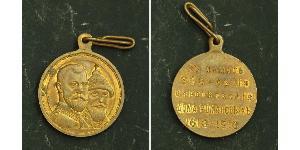
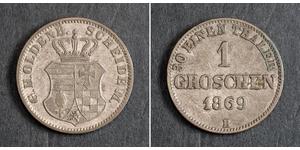
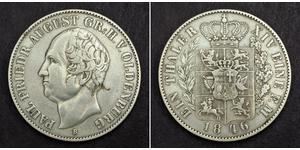
The image of Grand Duke Peter II appearing on currency serves not merely as a portrait, but as a tangible declaration of political stability. Following unification efforts within the German Empire in 1871, smaller sovereign entities like Oldenburg often retained specific rights regarding their internal circulation or issued specialized crown pieces to commemorate state anniversaries and diplomatic milestones.
The Grand Dukedom was among the few that maintained local minting privileges until political changes occurred after World War I. Consequently, coins bearing his likeness were typically struck in silver for domestic use during his late reign. While these denominations might appear similar across German states of the era, Peter II's profile distinguishes them through regional heraldic motifs and specific mint marks from Oldenburg. For historians of currency, examining these issues provides direct insight into how small duchies maintained their economic sovereignty even while contributing troops to imperial forces.
Why Collectors Value These Coins
Namely due to the historical narrative woven into metal and ink, collectors prize coins from this period. Each specimen represents a moment in time when Oldenburg was negotiating its financial identity within larger economies. For enthusiasts of German numismatics or specialized regional history collections, these pieces are particularly significant because they link directly to major events like the Second Schleswig War and subsequent territorial cessions.
The artistic quality remains high for small states producing during this transitional era. Unlike later industrialized mass productions that dominated coinage after 1900, Peter II's reign covers a time when hand-engraved designs often defined state identity. Furthermore, the rarity of specific silver issues from the Oldenburg Mint makes them sought-after additions to any cabinet focused on pre-unification or early imperial currency. These coins stand as enduring proof that even minor states participated actively in the broader economic systems of Europe during this transformative century.