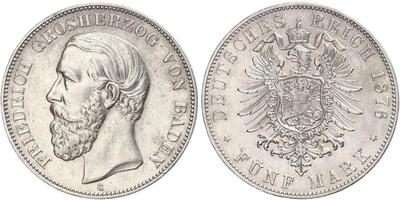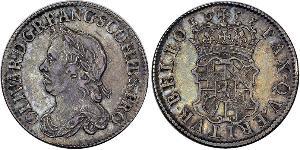
| Oliver Cromwell (1599 - 1658) | Link to Wikipedia |
Oliver Cromwell (1599–1658): History and Coinage
Oliver Cromwell stands as a pivotal figure in the annals of British history, embodying a dramatic transition from parliamentary statesman to military leader during the tumultuous Wars of the Three Kingdoms. Born on April 25, 1599, he rose through political and military ranks initially associated with local gentry struggles before becoming central to national conflict. His most profound historical significance lies in his role as a leading advocate for the execution of King Charles I in January 1649, an act that dissolved the monarchy and established the Commonwealth. Serving as Lord Protector from December 1653 until his death in September 1658, he ruled during one of England's most radical eras, balancing military dictatorship with religious independence.
The Numismatic Connection
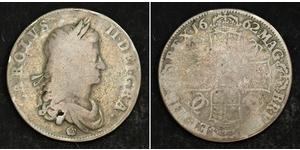
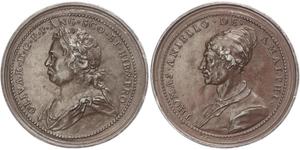
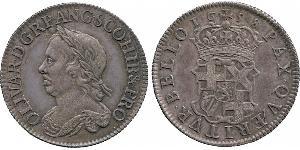
In the realm of numismatics, Oliver Cromwell represents a distinct break from royal iconography. Following his elevation to head of state in 1653, the government authorized coinage that departed from traditional monarchial portraits found on Stuart coins. Unlike earlier issues bearing regal names like Charles I or James II, these Commonwealth-era pieces displayed new designs intended to project republican authority.
The portrait and name appear primarily on silver denominations minted during his lifetime as Lord Protector (1654–1658). These were often inscribed with the title "Protector" rather than a royal style. The coinage ceased shortly after his death, reflecting the fragile nature of power in London following his passing and the eventual Stuart Restoration.
Why Collectors Value These Coins
Collectors are drawn to these pieces not merely for their precious metal content but because they serve as tangible evidence of a constitutional revolution. They possess high educational value regarding the artistry transition from royal court styles to more austere republican representations.
- Rarity: Minting operations were brief, making many issues uncommon in circulation today.
- Historical Context: Each coin narrates a specific year of political tension between Parliament and King.
- Aesthetic Quality: These pieces demonstrate distinct engraving techniques that predate the highly polished styles seen under Queen Anne or George I.
Owning such specimens allows enthusiasts to hold physical tokens from a unique chapter of statehood where power was redefined. Understanding the scarcity and condition required for these issues helps collectors appreciate their place within the broader narrative of British sovereignty evolution, beyond simple market fluctuations. These coins offer an authentic link to Cromwell’s era.