


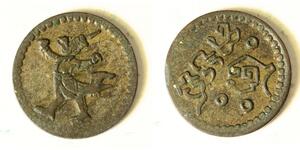
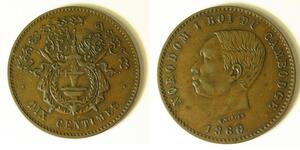
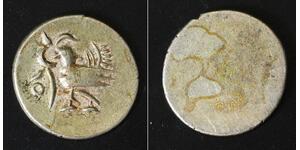
| Norodom of Cambodia (1834-1904) | Link to Wikipedia |
King Norodom (1834–1904): History and Coinage
The Architect of a Stable Era
King Norodom reigned over Cambodia from 1860 until his death in 1904, presiding during one of the kingdom's most transformative periods. As the eldest son of King Ang Duong and founder of the House of Norodom, he successfully navigated a precarious geopolitical landscape dominated by Siam (Thailand) and France.
The Numismatic Context
Currency during his tenure illustrates the nation's political status shift from semi-independence to a French protectorate. Following treaties signed between 1863 and 1884, France gained control over foreign relations and public revenue, leading to changes in economic policy reflected on circulating coinage.
- Early Protectorate issues reflecting Siam influence fading as French military pressure returned crown jewels by 1867.
The transition from Siamese oversight represented a delicate balance; while the King initially signed away control of foreign relations, he retained internal autonomy until full independence was not restored decades later. The reduction in provinces and the abolition of slavery during his reign required economic stability to manage effectively through metal currency used for trade.
- Coinage evolution mirroring the decline of Siam's hold as French gunboats anchored outside the Royal Palace forced treaties upon him.
Rarity and Historical Significance
Collectors prize coins from this lineage for their connection to major reform efforts. Under King Norodom, administrative costs were reduced by reducing provinces, abolished slavery, and recovered classical dance prestige. The artistic quality of coinage mirrors these cultural reforms where the Silver Pagoda was built in 1892 under his supervision while he visited Hong Kong Manila Singapore to learn modern music.
- This piece is significant as they serve tangible records of an epoch defined by diplomatic finesse and artistic recovery for the House of Norodom continuing today. These coins capture a unique time where international trade met traditional monarchy, allowing visitors from many nationalities to be welcomed at court with every opportunity to learn Khmer music.
Numerous historical items from this era offer insight into a unique period where modernization met traditional monarchy within the region. By examining these pieces, enthusiasts can trace the gradual decline of internal Siamese control by French gunboats mentioned in archives until full independence returned decades later for successors like Sisowath.


