| Nicholas I of Montenegro | Link to Wikipedia |
Nicholas I of Montenegro (1841–1921): History and Coinage
Nikola Petrović-Njegoš, known internationally as Nicholas,, stands as a defining figure in Balkan history who steered the principality from medieval tradition into modern monarchy. Born in 1841 but educated briefly by Francophiles in Paris, he chose to return home rather than embrace foreign culture, prioritizing his native highland virtues over European sophistication. His reign lasted four decades before unification with Serbia under Yugoslavia.
Nicholas was a unique leader who combined martial prowess with literary talent, authoring the patriotic song "Onamo 'namo!" during times of war. He successfully expanded the state's borders against Ottoman power and secured vital alliances with Imperial Russia, ensuring supplies that sustained his nation through major conflicts in the late 19th century.
The Numismatic Record
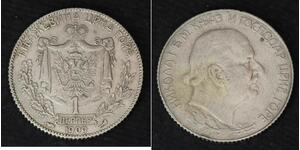
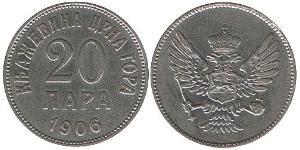
Nicholas became a figure on currency due to his transition from Prince-bishop into King. Before 1870, Montenegro lacked its own coins and relied entirely upon foreign denominations such as Ottoman akches or Austrian kreuzers. This dependence marked the nation's economic reliance within an empire.
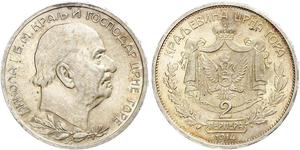
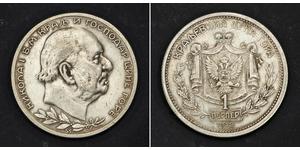
In 1906, a decree finally authorized the introduction of the perper, which replaced this foreign currency with domestic silver issues bearing his portrait by French engravers. The imagery on these pieces reflects both military regalia and royal titles granted during his tenure as King from 1910 onwards. Collectors often find that coins struck in Russian mints bear inscriptions acknowledging his knighthood alongside standard denominations.
The shift of coinage designs parallels the constitutional changes Nicholas implemented, particularly regarding secularization after Danilo I established the direct male line succession rule. These items serve as physical proof of diplomatic ties and economic autonomy gained during difficult geopolitical negotiations with Berlin and Vienna prior to World War One.
- Rarity is often determined by surviving circulation from pre-World War I issues compared to modern post-Yugoslav reissues that share similar designs but lack historical continuity.
- The quality of engraving on perper silver pieces offers a rare glimpse into the aesthetic standards and minting techniques available in small Balkan principalities before unification occurred.
Possessing these coins provides an educational window into the final days of Montenegrin sovereignty. The artwork depicts him as both warrior poet, capturing his identity during a unique intersection between national ambition and personal devotion that continues to intrigue historical numismatists studying the end of European empires.