

| Napoleon III (1808-1873) | Link to Wikipedia |
Napoleon III (1808–1873): History and Coinage
The figure of Napoleon Bonaparte occupies a unique place in the annals of French history, representing both imperial grandeur and industrial modernization. While best known as Emperor, his rise began with democratic elections during the Second Republic before he secured power to lead France into an era of prosperity and expansion. His reign transformed Paris through urban planning and cemented global influence for a nation recovering from revolutionary instability. For historians of currency, this transformation mirrors directly in state-minted bullion which served as propaganda tools alongside gold reserves.
Relationship to Coinage
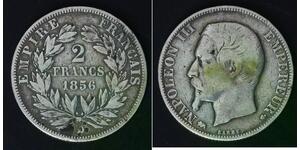
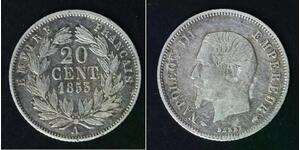
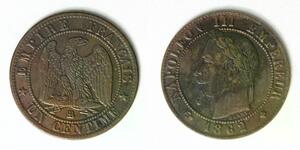
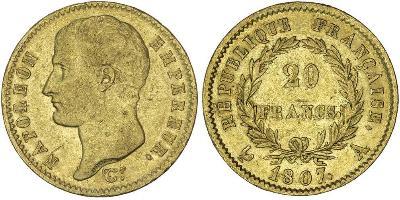
The numismatic record reflects the volatile political nature of nineteenth-century France. Early coinage during his presidency (1848–1852) featured republican imagery or minimal personal distinction, whereas Imperial proclamations in 1852 shifted focus entirely toward a regnal portrait that would dominate currency for two decades.
- Lifetime Issues: Most surviving specimens originate from the Second Empire (1852–1870), where his bust was used extensively on gold and silver denominations to project state authority during an era of colonial acquisition.
- Dates and Context: Collectors often examine issues related to specific reign years, which correspond with major diplomatic efforts such as the Crimean War victories or Suez Canal development.
- Ceremonial Role: Coins functioned not merely for commerce but as tangible proof of legitimacy following his 1852 coup and coronation.
Why Collectors Value These Coins
Beyond market scarcity, the attraction lies in their historical narrative. Pieces struck under Napoleon III provide a window into how France defined itself after Waterloo's shadow had faded for his uncle but before World War I reshaped borders.
- Aged Portraits: The artistic progression of the engravers' work over twenty years offers insight into changing mint aesthetics as he grew from youth to old age.
- Tie-in Events: Specific denominations often mark periods of stability or crisis, such as the prelude to his deposition in 1870 following military defeats.
- Educational Focus: Studying these metals helps enthusiasts understand industrial growth and banking consolidation funded by state revenue at that time.
A collection featuring this Emperor offers more than metallic weight; it encapsulates a critical era of European politics where France competed for influence against Britain, Russia, and Prussia.