| Meiji the Great (1852 - 1912) | Link to Wikipedia |
Emperor Meiji (1852–1912): History and Coinage
Mutsuhito, historically styled Emperor Meiji, was the sovereign who guided Japan through its most dramatic period of transformation during the nineteenth century. His rule spanned from 1867 until his death in 1912, encompassing a nation that shifted rapidly from an isolated feudal state into a major imperial power.
The restoration of imperial authority occurred after centuries where the Tokugawa shogunate held actual governing control over decentralized domains. Following the Boshin War and the expulsion of foreign restrictions initially imposed by unequal treaties, Mutsuhito’s administration sought to unify Japan under one central government that adhered both to traditional customs and modern political models. This era required a new national identity presented visibly on trade currency.
The Numismatic Legacy
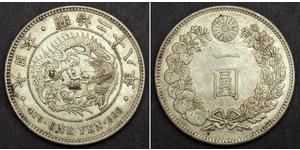
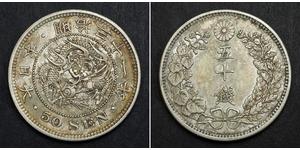
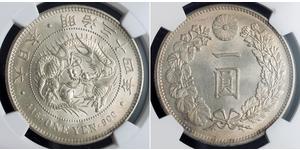
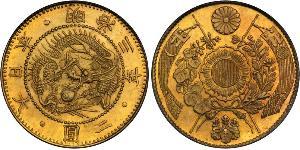
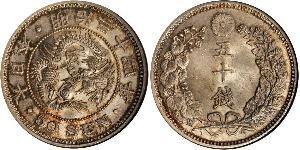
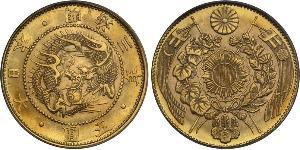
Coinage during this era reflects the pressing need for international legitimacy in global commerce. When the new government established standardized currency, they utilized Western-style designs which were essential for successful trade with European powers and merchants from across Asia. Silver yen introduced in 1870 became the primary medium of exchange.
The Imperial Portrait
In these early issues, coins depicted Mutsuhito to signify that sovereignty now resided solely with the Crown rather than a military administration. This visual shift was not merely decorative but served as state propaganda for the modernization of society and the economy following decades of seclusion.
- The Silver Yen: The most iconic denominations bore portraits of Mutsuhito in formal imperial robes or later Western-style attire, symbolizing the synthesis of tradition and modernity accepted by foreign governments.
- Mintage Years: Collectors distinguish between early issues struck before 1890 when designs were more experimental compared to standardized production following the Meiji Constitution established in 1889 which formalized government structures including a Cabinet and Imperial Diet.
Collections for History Lovers
Finding these pieces allows enthusiasts to hold a tangible link to Japan's rapid industrialization. These coins are prized because they document the visual branding of modern nationhood and the end of an era defined by feudal isolationism.
- Rarity: Early issues or specific design variations can be difficult to locate due to heavy early circulation during economic expansion and wartime melting efforts that occurred later in history affecting supply availability.
- Symbolism: For collectors, a Meiji silver coin represents the successful end of an unequal treaty era and the beginning of Japan's great power status confirmed by military victories against China and Russia which reinforced imperial prestige during his reign.