| Maximilian I Joseph of Bavaria (1756 - 1825) | Link to Wikipedia |
Maximilian I Joseph of Bavaria (1756–1825): History and Coinage
The Reign of a Modernizer
Maximilian I Joseph, King of Bavaria from 1806 to his death in 1825, stands as one of the most transformative rulers within the German-speaking lands. Rising through military ranks during the French Revolutionary Wars and serving under revolutionary ideals before consolidating power against imperial fragmentation, he modernized a fragmented Electorate into an independent Kingdom. His administration was heavily influenced by Count Montgelas, prioritizing secular laws over traditional privileges. Under his rule, universities were relocated to foster new scholarship, religious houses were repurposed for state use, and the constitution of 1818 granted significant liberal rights despite external pressures from European powers.
The Numismatic Portrait
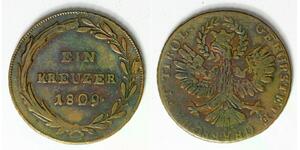
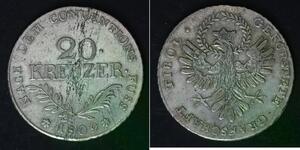
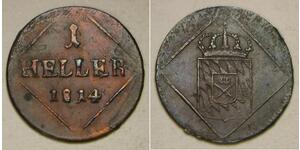
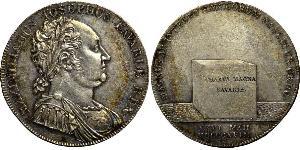
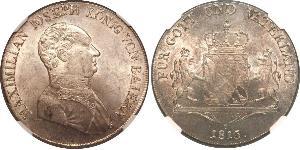
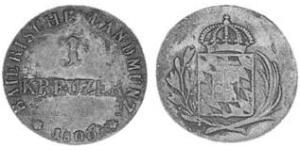
Collectors will find Maximilian's face stamped on Bavarian currency spanning his varied titles as Duke, Elector, and King. The coinage reflects the dramatic stylistic shifts of the era; early issues often displayed French neo-classical designs that mirrored Austria's influence during the Napoleonic alliance, while later pieces adopted more conservative imagery following his realignment with Britain and Russia post-Wars against Napoleon. These coins were essential for funding war reconstruction after 1805 battles and establishing financial independence from Austrian monetary policies.
An Invitation to Collectors
Pieces bearing Maximilian’s visage are particularly valuable not merely for their metal content but as physical records of Bavaria's geopolitical evolution. The transition between Elector titles before 1806 and Royal crowns afterward offers a tangible way to study the shifting alliances that defined Central Europe.
- Rarity: Low mintage occurred during periods of military expenditure when production halted, making survival pieces scarce.
- Aesthetic Quality: Artists applied high standards of engraving to project royal legitimacy under the new Federal constitution established in 1815.
- Educational Value: Examining these items provides insight into how European monarchs adopted Enlightenment ideas alongside traditional monarchy duties during a time of immense political restructuring.
This combination of artistic merit and historical context ensures that Bavarian silver remains a cornerstone for serious numismatists interested in the period between 1795 and 1825, bridging the gap between medieval feudal structures and modern nation-states.