| Maximilian I, Holy Roman Emperor (1459 - 1519) | Link to Wikipedia |
Maximilian I (1459–1519): History and Coinage
In many ways, Maximilian represents the bridge between medieval chivalry and the political realism of the Renaissance. Born in 1459 to Frederick III, he was destined for a role that would define centuries of European politics: King of the Romans and Holy Roman Emperor. While traditionalists criticized his lack of papal coronation until later recognition from Julius II, Maximilian reshaped imperial tradition through marriage alliances and military prowess rather than solely relying on religious sanction.
Historians have long debated whether he was a genuine knight or a Machiavellian politician. The nickname "the last knight" became iconic for his time as the Habsburgs ascended to power, particularly following their acquisition of Burgundy and consolidation in Spain. However, Maximilian understood that titles needed tangible proof. As a modernizer who recognized coinage could shape perception just like an edict, he utilized metal currency to broadcast authority across distant territories where imperial agents might not yet reach.
The Portrait on Metal: Image as Power
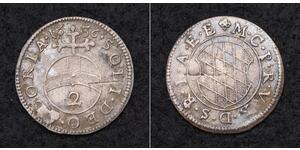
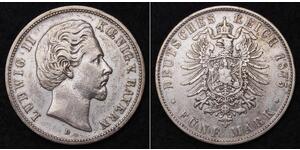
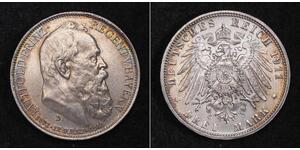
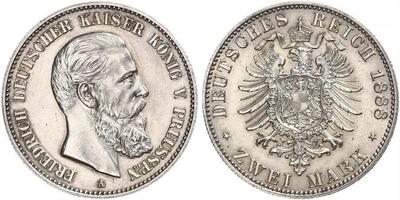
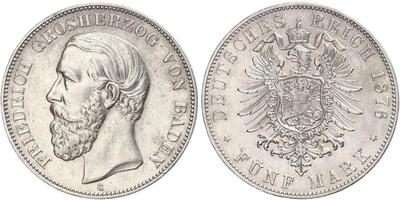
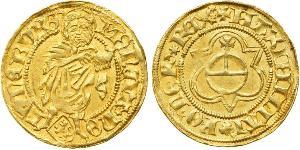
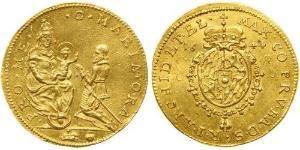
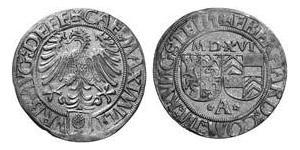
During his reign and shortly after death, political entities from the Burgundian Netherlands to Austrian lands issued coins featuring Maximilian’s likeness. These were often struck in silver or gold for high transactions but also circulated widely among soldiers and merchants who carried them across borders.
- Lifetime Issues: Coins minted while he ruled served as mobile propaganda, reinforcing his self-proclaimed image of strength and chivalry.
- Filial Portraits: After his death in 1519, subsequent Habsburg emperors utilized portraits from Maximilian’s life or posthumous representations to maintain dynastic continuity.
The decision to place such a young but vigorous monarch on currency was not arbitrary. It was part of a deliberate visual culture where the face stamped in metal became an icon of state legitimacy. Unlike earlier rulers who relied heavily on titles inscribed without portraits, Maximilian’s coins often featured detailed busts designed by contemporary artists working under his direction.
The Appeal for Collectors
For enthusiasts and collectors, the appeal lies beyond mere monetary value. These pieces offer a direct window into the artistic trends of late medieval Europe and the early Renaissance engraving style prevalent across Central Europe. The rarity of surviving examples makes them significant markers in numismatic history.
Beyond scarcity, each coin preserves a narrative about ambition. They were often struck by local mints that had to balance loyalty between their sovereign lordship and imperial authority under Maximilian’s overarching rule. Acquiring such items allows one to hold the physical weight of political transformation.
A piece bearing his head speaks volumes about how early modern emperors sought control over public memory through imagery rather than text alone. Exploring this series invites you to consider how money shaped belief systems, offering a unique perspective on power that no written history can fully capture.