| Maximilian I, Elector of Bavaria (1573 – 1651) | Link to Wikipedia |
Maximilian I (1573–1651): History and Coinage
The Elector of Bavaria
In the turbulent seventeenth century, Maximilian I served as a pivotal stabilizing force within Southern Germany. Ruling from 1597 until his death in Munich in 1651, he transformed Bavaria into one of the central powers of the Holy Roman Empire. As a devout Catholic and founder of the League Imperial Princes, he played a decisive role during the Thirty Years' War against Protestant forces. His political legacy is defined by two major milestones: his elevation from Duke to Prince-Elector at the Diet of Regensburg in 1623 and the securing of the hereditary Upper Palatinate following the Peace of Westphalia in 1648.
Beyond military conquest, Maximilian established absolutist rule by subduing local estates. He also fostered an enlightened cultural climate, commissioning masterpieces from renowned artists like Peter Paul Rubens and purchasing historic works such as Albrecht Dürer's paintings for the court collection. These ambitions to centralize power and elevate artistic standards provided fertile ground for state-backed currency production.
The Relationship Between Ruler and Coinage
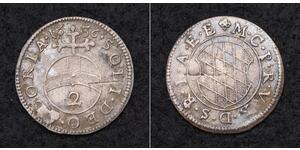
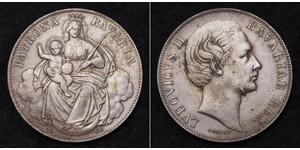
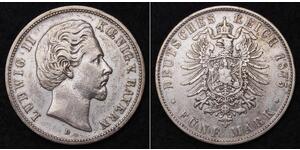
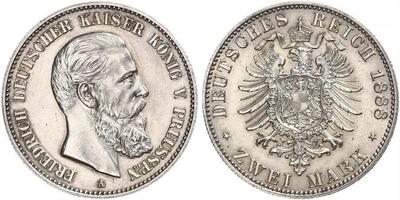
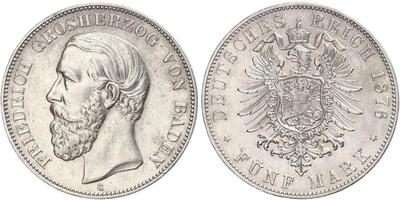
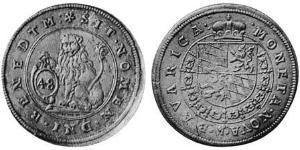
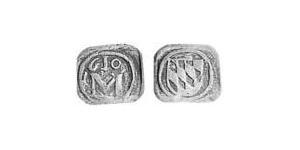
Minted primarily in Munich, Augsburg, and Regensburg, coins depicting Maximilian were struck both during his lifetime and retrospectively by the minting houses of the Empire to commemorate dynastic transitions. Before 1623, he appeared as a Duke; after receiving the imperial dignity at Regensburg, numismatic legends shifted from "Duke" (Dux) to "Prince-Elector" (Principis Electoris). This change is visible on Thalers and Groschen intended for domestic circulation versus international trade.
The decision to place his portrait upon metal currency served immediate practical purposes. Funds were raised through coinage to finance armies against Sweden, France, and the Palatinate faction of the Wittelsbach family. Furthermore, displaying the Bavarian double eagle alongside imperial insignia reinforced his status as a loyal yet independent member of the Empire, effectively broadcasting political authority across borders where communication was slow.
Numerical Significance for Collectors
Coin enthusiasts value pieces featuring Maximilian I not merely for rarity, but because they tell stories of state consolidation in Germany. Early issues pre-dating his full title are often scarce and sought after by specialists studying the Thirty Years' War economy.
- Historical Context: Each coin reflects a specific phase of conflict or treaty, such as the Truce of Ulm which temporarily paused hostilities before 1648.
- Artistic Evolution: The engraving quality improved from early utilitarian pieces to later portraits with finer detail and more complex heraldry, reflecting Maximilian's own patronage in art.
- Educational Value: These numismatic artifacts provide tangible evidence of how a duke transformed his land into an electorates under the Habsburg Emperor without losing local autonomy.
For collectors seeking to understand the financial machinery behind the Holy Roman Empire's survival, Maximilian’s portrait remains an essential piece in any series tracking mid-European political history. Exploring these coins offers a unique glimpse into how authority was monetized and displayed during Europe's most devastating conflicts.