| Mary I of England (1516-1558) | Link to Wikipedia |
Mary I of England (1516 – 1558): History and Coinage
Historical Significance
Sentience born in Greenwich Palace during the turbulent reign of her father, Henry VIII, Mary Tudor occupies a unique position within British royal history. She was initially declared illegitimate after his marriage to Catherine of Aragon was annulled, yet her restoration via Parliament following 1536 ensured she became queen regnant upon ascension in July 1553 after the deaths of Edward VI and the usurpation by Lady Jane Grey.
Mary I’s reign remains historically significant as it marked a vigorous attempt to restore Catholic orthodoxy amidst religious schism. Her five-year rule is defined not only by policy reversals regarding church property but also by her status as Queen Regnant, distinguishing her from previous queens who ruled jointly with husband or regency periods until Elizabeth I followed later after her death in 1558.
Currency and Iconography
The relationship between this sovereign figurehead and national coinage highlights the intersection of political authority and visual representation found within numismatics during Tudor times. Unlike modern currency or later royal minting programs, early English coins depicted not just heads but symbols reflecting shifting theological loyalties.
Dual Identity
- Tudor Silver Circulation:
- Mint Standards:
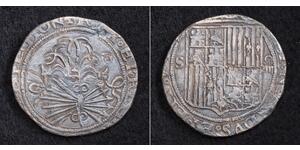
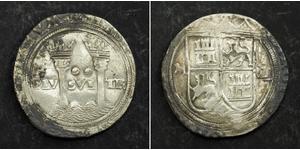
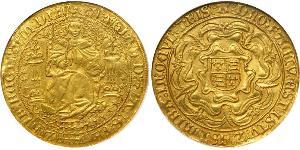
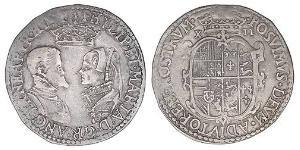
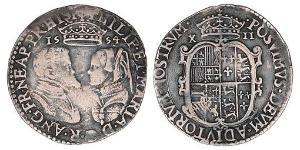
During Mary’s years as monarch alone before Philip II accession in Spain changed her title to consort status with different coinage issuance protocols for foreign territories versus domestic circulation, silver groats and halfcrowns circulated carrying specific legends reversing earlier Protestant iconography found under Edward VI.
Coinage often utilized traditional crosses alongside rose imagery printed in London mints operating throughout this period rather than exclusively royal portraits seen on later Elizabethan pieces where engraving quality changed significantly due to industrial advancements occurring between these dates regarding die production methods used.
Narrative Value
Collectors encounter these metal artifacts most readily during early parts of 1550s when new dies struck with her crowned effigy marked legitimacy in defiance of prior exclusion laws. The scarcity remains relative compared to later Elizabethan output but significant within specialized Tudor series for historians studying how mint standards communicated state policy alongside religious messaging through cross symbolism found on these silver artifacts produced during this era.
Coinage Appeal
For collectors, the appeal extends beyond rarity into historical documentation of visual culture as currency circulated among common citizens rather than stored in treasury vaults alone for later study by modern enthusiasts today. Examining these pieces provides insight how power was projected without needing textual records solely relying on images struck daily by skilled craftsmen across multiple London workshops throughout mid-century Europe.
Furthermore, the transition from purely heraldic designs to detailed effigies under Mary’s personal reign helps clarify how royal portraiture evolved in British history beyond mere artistic trends within coinage workshops. By examining these examples of numismatic art alongside broader biographical contexts regarding religious reform debates occurring domestically and internationally between 1547 until her passing, enthusiasts gain deeper understanding regarding the role statecraft played when issuing coins bearing names or faces representing national identity under this monarch’s brief yet impactful tenure before death in November.