| Marie Louise, Duchess of Parma | Link to Wikipedia |
Marie Louise: 1791-1847: History and Coinage
In the annals of European history, few figures represent a more dramatic shift in political power than Marie Louise. Born into high Austrian nobility as an Archduchess to Emperor Francis II, her life trajectory was defined by one pivotal alliance that reshaped the continent's balance between revolutionary France and traditional monarchy. She stands as a symbol of diplomatic necessity during the Napoleonic era, transitioning from Empress of France under Napoleon Bonaparte to the sovereign Duchess of Parma following his exile.
The Empire and Ducal Authority
Much like her contemporary Marie Antoinette before the storm of revolution, Marie Louise became an emblem on currency during a period where image was power. As Empress consort from 1810 until Napoleon's abdication in 1814, she featured prominently on French Imperial coinage alongside her husband and their young son, King Jerome of Westphalia, often depicted to project stability amidst warfare.
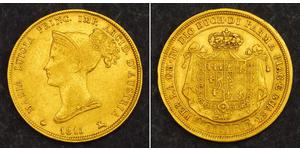
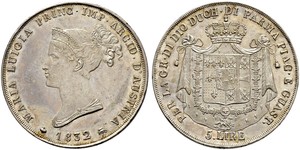
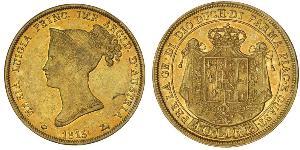
The numismatic landscape shifted dramatically after the Napoleonic defeat. Following the Treaties ending hostilities with France, Marie Louise was granted sovereignty over Parma, Piacenza, and Guastalla in 1814. During this reign as Duchess, coinage reflected her independent authority rather than a French crown. Collectors find these pieces fascinating not only for their portrait work but because they mark the transition of a woman from being an imperial figurehead to ruling independently within Italy after years spent under foreign rule.
The Curator’s Perspective on Value
Why should serious collectors seek out coins bearing her likeness? These pieces serve as tangible artifacts of one of history's most turbulent periods. Unlike standard circulation issues from a single regime, Marie Louise coins often represent specific political agreements or the brief stability that followed years of invasion.
- Diplomatic Context: Coins depicting her alongside French symbols illustrate the complex marriage alliance between Austria and France intended to end hostilities, offering insight into how peace treaties were visually enforced across borders.
- Rarity and Artistry: While Napoleon’s coinage is widely collected in gold and silver, Marie Louise pieces—particularly those issued during her later ducal reign or transitional periods—are often less common. The artistic transition on these issues reflects changing tastes from the rigid Neoclassicism of 1804 to softer profiles by 1820.
- Sovereignty Shift: Collectors value items that document her later years as Duchess, distinguishing them from imperial pieces struck in Paris. These distinct regional issuances highlight how women held independent rule within the Italian peninsula after being liberated from French command structure.
The legacy of Marie Louise extends beyond royal titles; it is preserved in metal and ink across collections worldwide. Studying her coinage offers a deeper appreciation for how personal lives were intertwined with geopolitical strategy, making these small objects significant historical documents rather than mere currency.