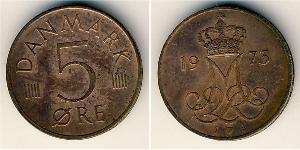
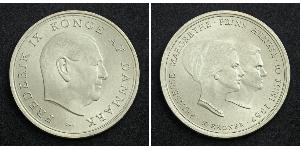
| Margrethe II of Denmark (1940-) | Link to Wikipedia |
Margrethe II (1940–2024): History and Coinage
Margrethe II stands as a pivotal figure in Danish monarchy history, reigning for exactly fifty-two years until her abdication at the dawn of the twenty-first century. Born on 16 April 1940 in Copenhagen during a tense geopolitical climate just prior to German occupation, she ascended to the throne following constitutional amendments that allowed female succession where none had previously existed for nearly two centuries. Her ascent marked the end of an era defined by gender restrictions within European royalty and established herself not merely through birthright but through decades of dedicated service to statecraft, archaeology, and national unity. For history enthusiasts tracing modern Scandinavian governance, her reign represents a continuous period of stability that bridged traditional lineage with contemporary democratic values in one sovereign territory without imperial expansionism often found elsewhere historically.
Coinage and State Authority
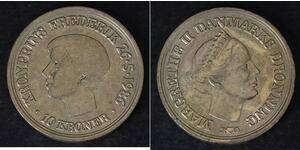
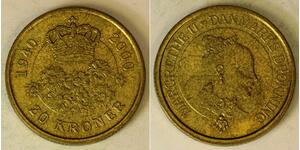
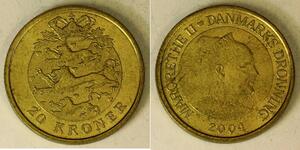
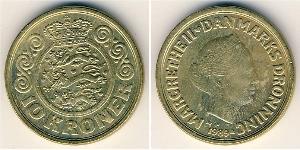
During her reign from 1972 until January 2024, the Danish State mint produced coinage bearing her name on commemorative series designed specifically for global audiences and specialized collectors. Unlike ancient monarchs who used portraits to assert divine right, modern Danish coins reflected constitutional monarchy principles where currency circulated under royal endorsement but within a parliamentary framework strictly observed by law since she became heir presumptive after legal changes passed in the early 1950s. Collectors often encounter special issues celebrating major anniversaries of coronation or significant family events that stabilized public perception through its fifty-year span. These pieces serve as tangible proof of how the nation navigated its relationship with royalty in an age shifting toward gender equality regarding succession laws passed by popular referendum and evolved over decades to reflect absolute primogeniture principles later applied across Europe generally today.
The Collector's Perspective
Enthusiasts seek these issues for their historical narrative rather than mere metal content or fluctuating market value which can shift daily on dealer lists. Finding high-quality uncirculated examples offers insight into the evolution of design aesthetics during a period where Scandinavian art influences met modernist simplicity in mintwork often associated with her tenure as patron to literary works and archaeological societies globally known. The story behind each issue provides context regarding significant diplomatic milestones and family events that stabilized public perception across different nations involved in royal exchange programs historically common among Nordic members frequently seen on foreign currency circulation lists today or commemorated specifically for visitors arriving at Amalienborg Palace where she was welcomed throughout her lifetime until final abdication ceremony.
Exploring these issues allows collectors to understand how national identity was projected globally, making Margrethe’s currency collection a study in sovereignty without the baggage of imperial expansionism often associated with older numismatic finds from distant empires historically found elsewhere previously under ancient conditions long ago before such modern constitutional arrangements were fully established worldwide by international standards. Collectors focusing on this era gain perspective not just through rarity, but through understanding how coinage evolved to represent a monarch whose legacy is defined by longevity and continuity in the public sphere.