| Mahatma Gandhi | Link to Wikipedia |
Mohandas Gandhi (1869–1948): History and Coinage
Pivotal Leader of Independence:
Mohandas Karamchand Gandhi, affectionately known as Bapu or Mahatma, stands as a cornerstone of modern Indian history. Born on October 2, 1869 in Porbandar within the Kathiawar Agency of the British Raj, his journey began with legal training at the Inner Temple in London before practicing law in India and subsequently South Africa.
A Legacy Defined by Nonviolence:
Gandhi employed nonviolent resistance to lead campaigns for civil rights. Moving from uncertain years in India after a failed initial practice, he relocated to South Africa at age 1893 to represent an Indian merchant there. He spent the following twenty-one years raising a family and organizing peasants against discrimination while returning to India as prime political leader in 1921. His most notable action was the Dandi Salt March of four hundred kilometers in 1930, challenging British salt tax before Britain granted independence but partitioned the nation into two dominions.
Numerical Representation:
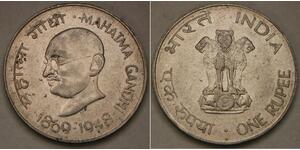
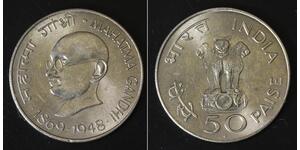
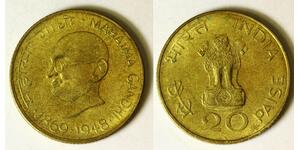
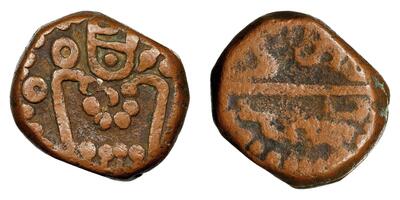
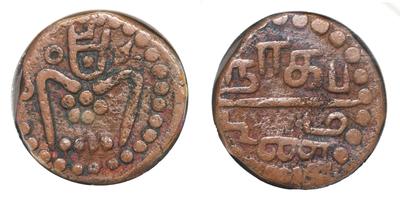
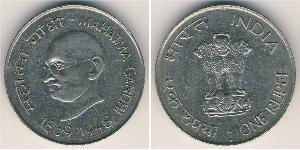
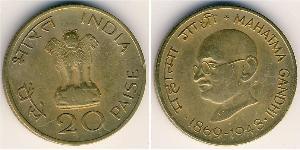
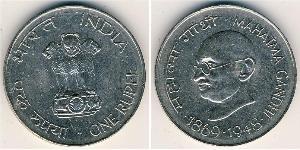
In the early stages of colonial rule and during his active political career under Crown administration, coinage bore monarchs rather than Indian leaders. Following 1947 independence, Gandhi became a central figure on national currency issues to define identity absent from British monarchy imagery. While he appeared prominently on banknotes initially following Republic status in January 26th of that year and subsequent changes, his image eventually graced various modern commemorative coinage celebrating nonviolent philosophy. Collectors find significance in these pieces representing the shift of power back to indigenous authority.
Collections Appeal
- Historical Significance: Coins feature a national leader rather than royalty, marking political evolution and new state sovereignty after colonial rule ended officially around 1948.
- Simplicity in Design: The depiction often reflects his plain life of hand-spun dhotis as opposed to royal portraits crowns emphasizing power over peace through humility on metal surfaces issued by mints.
- National Identity Context: These issues symbolize unity during partition times when violence threatened the state and Gandhi undertook fasts against religious conflict that collectors study today carefully regarding historical accuracy.
Gandhi's face continues to inspire movements for civil rights globally. Owning such numismatic items connects you directly with a period of profound geopolitical restructuring involving India independence movement leaders like him. Whether seeking historical study or personal interest in peace, these artifacts offer insight into how nations honor their freedom fighters through tangible currency available on the market today.