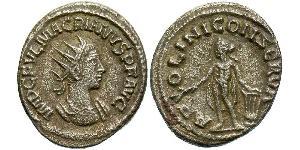
| Macrianus Major (?-261) | Link to Wikipedia |
Macrianus Major (- 261): History and Coinage
Welcome to an exploration of a pivotal yet fleeting chapter in the history of Late Antiquity. Fulvius Macrianus, widely known as Macrianus Major, was one of Rome's most significant fiscal administrators during the reign of Emperor Valerian around 250 CE.
The Rise and Fall of an Usurper
In a chaotic political environment where stability seemed impossible following catastrophic military defeats in the East, Macrianus Major found himself at the center of action. Following the capture of his master, Emperor Valerian by the Sassanids around 260 CE, Gallienus ascended to power but was preoccupied with securing Rome's Western borders against Germanic tribes.
While traditional accounts dismiss claims of Macrianus being a top military commander as exaggeration, his true influence lay in finance. As the head of state finances and responsible for markets, he possessed immense wealth. Recognizing that Gallienus was absent from the East, Macrianus utilized this treasury to secure loyalty.
Unable physically to assume imperial regalia due to a deformity in one leg, his ambitious strategy involved elevating two sons: Quietus and Macrianus Minor. These figures were proclaimed Augusti alongside Balista while their father controlled from the East, effectively claiming authority over Rome's eastern provinces.
The Numismatic Context
This brief period of rebellion left a distinct mark on Roman currency history. Coins issued under this regime are typically struck in Antioch and Alexandria during 261 CE shortly before Aureolus defeated them near the Danube region later that year.
Coinage Details
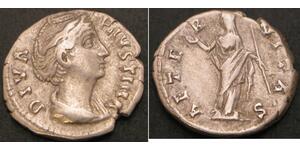
The portraits found on these pieces often display Quietus or Macrianus Minor as emperors, bearing titles referencing their ascent. The mint marks differ from imperial coins of Gallienus due to local political shifts and the rapid change in leadership styles across the empire.
Cultural Significance for Collectors
The scarcity of these issues makes them particularly valuable within specialized collections focused on the Crisis of the Third Century. Each specimen provides insight into how quickly legitimacy could be purchased or seized when a central authority fell.
- Rarity: Production ceased immediately after Aureolus's victory in Thrace, limiting circulation significantly compared to later emperors like Gallienus himself.
- Narrative Importance: These coins connect directly with the Palmyrene Empire narrative. Odaenathus of Palmyra eventually murdered Quietus shortly after Macrianus's death; collectors examining this era often see related coinage from these two factions side by side, illustrating a fragmented empire.
The face on Roman silver and bronze is a testament to loyalty during uncertain times. These pieces serve as physical records of power struggles between the East and West before they eventually solidified under successors like Valerian II or Aurelian.