| Ludwig III of Bavaria (1845 – 1921) | Link to Wikipedia |
Ludwig III of Bavaria 7 January 1845 – 18 October 1921: History and Coinage
Welcome to this exploration of one of the final monarchs of a vanished era. Ludwig III, often remembered as the last King of Bavaria, stands at the historical crossroads where centuries-old traditions met rising modern movements. Born in Munich during 1845, his life spanned an extraordinary transformation from royal courtly service to agricultural estate management and finally exile.
Ludwig began his journey serving with distinction in the Austro-Prussian War but found comfort later on a farm at Leutstetten after marrying Maria Theresa. His reputation evolved through decades of governance, where he championed conservative ideals during World War I until the German Revolution dissolved the empire he served.
The Connection to Coinage
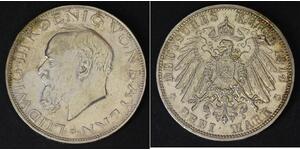
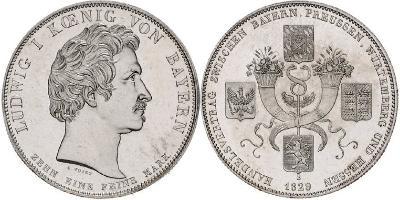
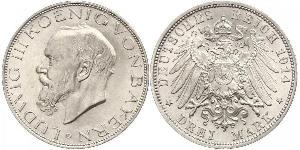
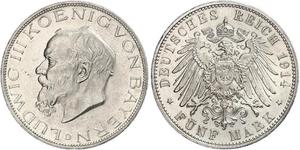
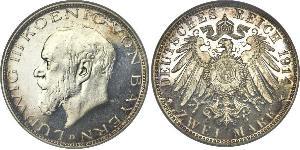
During his reign from 1906 onward and specifically between 1913 and 1918, Ludwig III appeared on sovereign currency issued by the Kingdom of Bavaria. These coins included gold florins and silver marks that circulated before the transition to paper money during wartime.
The portrait placed upon these denominations served as a tangible seal of sovereignty for the House of Wittelsbach. The historical circumstances surrounding this imagery are significant; his head depicted on coinage represented the continuity of Bavarian identity against shifting political tides in Germany following 1918.
- Era: Pre-Republic and Wartime Bavaria
- Metal: Gold, Silver, Copper-Nickel
- Context: Transition from Monarchy to Weimar Republic
Why Collectors Value These Coins
Educators and numismatists alike appreciate these issues for their historical weight rather than just market fluctuations. The coins depicting Ludwig III are highly sought after by those interested in the decline of European monarchy.
- Rarity: Post-revolution pieces often carry different markings indicating a change in authority or cessation of minting operations.
- Cultural History: The imagery reflects conservative artistic standards from the early 20th century, distinct from republican propaganda art that followed his flight to Switzerland and Hungary.
An examination of these pieces provides a window into how national identities were visually constructed before the end of an era. For collectors seeking authentic historical markers, Ludwig III's coinage offers direct contact with the conclusion of over seven hundred years of Wittelsbach rule in Bavaria.